
For many years, safari has a way of life in Tanzania, a country renowned for its world-class game parks. The Serengeti draws visitors from around the globe, eager to witness the awe-inspiring Great Migration. Nearby, the Ngorongoro Conservation Area boasts an extraordinary array of predators. Further south, Ruaha National Park offers untamed, exhilarating game viewing in a breathtaking landscape. Complementing these experiences are the exotic island of Zanzibar, Africa’s highest peak, Mount Kilimanjaro, and the lush, jungle-clad shores of Lake Victoria, making Tanzania one of the most vibrant and diverse countries in Africa.
Great Image Expedition operates Safaris across Tanzania, such as Serengeti, Ngorongoro Conservation Area, and Tarangire, Ruaha, and Nyerere National Parks. Our packages offer exceptional game viewing, unmatched hospitality, and a variety of activities to ensure a fully immersive safari experience.
The tropical beaches, turquoise waters, and vibrant coral reefs of Zanzibar Island offer a stark contrast to the safari experience. Affordable and brief internal flights make it easy and budget-friendly to extend your safari adventure with some beachside relaxation.
Every year, two million wildebeest and zebra travel 1800 miles from Tanzania's Ngorongoro Conservation Area, through the Serengeti into Kenya's Maasai Mara, and back again. It's hailed as the greatest wildlife show on earth.
Tanzania's Serengeti and Kenya's Masai Mara are contiguous and travel between the two protected areas is straightforward with fly-in itineraries. Flying eliminates the need for long road transfers, meaning you spend more time on safari!
The Serengeti and Ngorongoro Conservation Area boast some of the most abundant wildlife viewing opportunities on the continent, largely due to the phenomenon of the Great Migration. Coupled with the expansive savanna plains and temperate climate, wildlife observation remains exceptional throughout the year, including during the green season.
The Ngorongoro Crater boasts some of the most abundant wildlife sightings on the continent. Its mineral-rich floor, carpeted with nourishing grass, forms an idyllic habitat for a diverse array of herbivores and carnivores alike. Beyond the confines of the crater, the conservation area grants access to other natural wonders such as the Empakaai Crater and Olmoti volcano.
Travelling encompasses more than merely the destinations you explore; it embraces encounters with people, interactions with wildlife, immersion in history, and the thrill of embarking on novel experiences. With the Great Image Expedition, you’ll traverse by car, foot, boat, or air, unveiling a plethora of new encounters and discoveries.
The Ngorongoro Conservation Area is a must-visit destination in Tanzania. It boasts the world’s largest inactive volcanic caldera, formed some 2 to 3 million years ago. Spanning 30,000 hectares, the crater is home to approximately 25,000 large animals, including lions, black rhinos, elephants, and giraffes, offering an unparalleled safari experience. Its UNESCO World Heritage Site designation and listing as an International Biosphere Reserve by UNESCO’s Man and Biosphere Reserve Programme reflect the harmonious coexistence between wildlife and humans within the area.
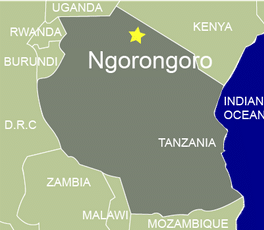
Highlights:
The Serengeti hosts the world’s largest concentration of wildlife and is the stage for one of Earth’s most incredible spectacles – the Great Migration. Over a million wildebeest embark on an ancient route searching for grazing pastures and water. Their journey takes them across Kenya’s Masai Mara, south into Tanzania’s Serengeti, and towards the edge of the Ngorongoro Crater before circling clockwise back to the Masai Mara. Along the way, thousands fall prey to predators while thousands more are born, replenishing their numbers and sustaining the circle of life.
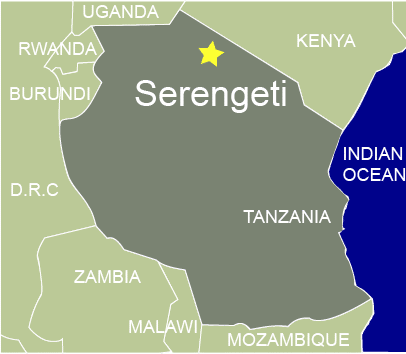
Highlights:
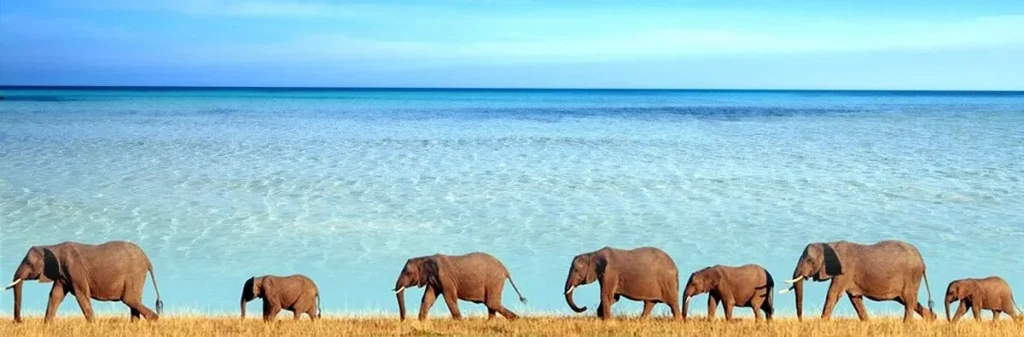
In Northern Tanzania, Tarangire National Park is a serene oasis renowned for its enchanting elephant migration, vibrant birdlife, and tranquil safari ambience. This seasonal gem, particularly vibrant from July to October, offers a distinctive safari experience, perfect for wildlife enthusiasts seeking an authentic encounter with nature. Elephants, a hallmark of Tarangire, grace the landscape year-round, ensuring unforgettable sightings. Moreover, the park’s verdant swamps host an impressive array of 550 bird species, making it a haven for birdwatchers, boasting the highest concentration of breeding species in a single habitat globally.
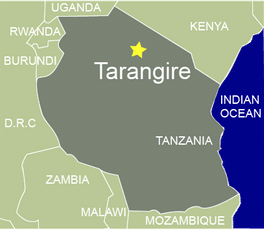
Highlights:
Ruaha National Park boasts an untouched wilderness, blending superb wildlife sightings with breathtaking vistas. Its pristine ecosystem offers a more intimate and genuine safari experience than the bustling Serengeti and Ngorongoro. Vital lifelines like the Great Ruaha River and the Mwagusi, Jongomero, and Mzombe Rivers sustain wildlife through the dry spells. Creatures like Waterbuck, impala, and Grant’s gazelle brave the journey for water, navigating the problematic banks where lions, leopards, cheetahs, jackals, hyenas, and the elusive African wild dogs wait.
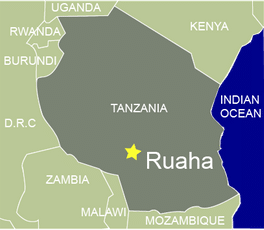
Highlights:
Nyerere National Park, situated in southern Tanzania, was formerly part of the expansive Selous Game Reserve. Encompassing a vast area of 54,600 square kilometers since 1940, it gained UNESCO World Heritage Site status in 1982. In 2019, approximately 30,000 square kilometers were redefined and renamed Nyerere National Park, paying homage to Tanzania’s inaugural president, Julius Nyerere, renowned for his conservation efforts. Second only to Namib Park in Namibia in size, this park epitomizes wilderness and remoteness. Its rivers and lakes, vital lifelines, teem with an incredible array of wildlife, boasting Africa’s largest populations of elephants and wild dogs.
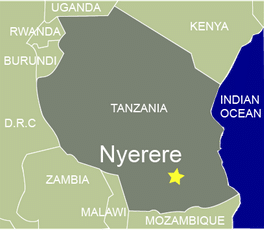
Highlights:
Rubondo Island, located in Lake Victoria, is Africa’s largest island national park, stretching 26 kilometres long and 10 kilometres wide. Covered 80% by dense tropical forest, it serves as a sanctuary for diverse wildlife. Birdwatchers will find over 400 species of resident and migratory birds. The island’s forests are home to elephants and giraffes, while sitatunga antelope inhabit the papyrus swamps, and crocodiles and hippos reside in the lake. The opportunity for chimpanzee trekking, along with the island’s remoteness and exclusivity, makes Rubondo a highly desirable safari destination.
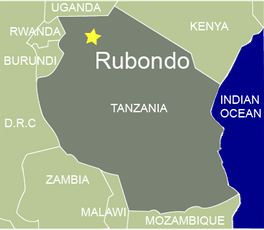
Highlights:
Great Image Expedition aims to provide you with the best Experience Tanzania Luxury Safari possible. You are our main concern.
We have access to exclusive luxury Accommodations, providing more privacy and security.
We create tailor-made itineraries for every traveller, offering unique scenery, wildlife, cultures, and the unrivalled hospitality of our camps. We eagerly await the opportunity to customize your journey to meet your needs. Here are some of our best African safari packages to get you started.
We use only new Land Cruisers produced in 2023-2026 and fitted with a fridge, Wi-Fi and sockets
 Posted on Google
 Daniel judd17 September 2026
 We wanted to go on a safari for our honeymoon but after speaking to many uk based companies we was left disheartened with the lack on options they provided for itinerary and accommodation. So we done a lot of research online and found Raymond at Great Image Expedition, nothing was to much trouble everything was completely bespoke and exactly how we dream it to be. There was no pressure what so ever and we was completely confident with paying for our trip with a Tanzania based company. Our guides Godlistern & Simba was extremely friendly and knowledgeable and very respectful of the animals and their country. I would 1000% recommend this company for your next safari in Tanzania!Posted on Tripadvisor
 Rian21 August 2026
Verified
Vehicle Breakdown Every day had a same vehicle breakdown, everything went rush, guide was very harsh. The nature itself was outstanding, Tanzania is blessed.Posted on Tripadvisor Tribue Travels21 August 2026
Verified
Great Image Expedition is the best local talent Great Image Expedition isn’t just another tour company, it’s what a Tanzania experience should be. What makes them stand out is their local connection. They use local guides and experts who actually know Tanzania, its people, its wildlife, and its culture. That local knowledge creates experiences you simply can’t get from a company operating from the outside. From incredible safari moments to authentic cultural experiences, every detail felt personal, genuine, and thoughtfully planned. Their team didn’t just show us Tanzania, they connected us to Tanzania. If you want luxury, adventure, authenticity, and experiences that go beyond the typical tourist itinerary, Great Image Expedition is the company to book.Posted on Google Daryn’s Ride Through Life16 August 2026
 We were referred to Great Image Expeditions through our photographer when we were planning our elopement, and unfortunately, while parts of our experience were amazing, our overall experience with the company has been extremely disappointing. Our safari was fantastic, and Humphrey was absolutely incredible. He made the experience memorable, and the accommodations were also great. Unfortunately, our experience with the company itself has been a completely different story. We have been trying to get money that is owed to us from Raymond for almost two months now. What should have been a simple matter has turned into an exhausting cycle of excuses, delays, and what feels like being given the runaround. We have repeatedly been told different things and are still waiting for the money we are owed. That experience has really overshadowed what should have been an amazing overall trip. If I knew then what I know now about climbing Kilimanjaro, I would choose a different company. There are companies that offer better amenities and, based on our experience, a much better overall customer experience. I’m disappointed because we had such an incredible experience with Humphrey on safari, which makes the way the financial issue has been handled even more frustrating. I hope Raymond eventually makes this right, but after almost two months of excuses and games, it has become difficult to have any confidence in the company.Posted on Tripadvisor
 Rawaa M3 August 2026Exceptional Service from Start to Finish We went to Tanzania for our honeymoon, and Raymond from Great Image Expedition made the entire experience so easy. He planned our whole trip and took care of every detail, so we could simply enjoy it. For our safari, we were with Humpher, whose knowledge, experience, and passion made the adventure truly unforgettable. We learned so much and had an incredible time. We had an amazing experience with Great Image Expedition from start to finish and couldn’t recommend them more!


 Facebook