
Ready to stand on the Roof of Africa? Join us for an unforgettable adventure as you climb the world-renowned Mount Kilimanjaro! The GIE Team has created unique route variants that reduce acute mountain sickness and increase summit prospects, and it has helped more than 12,000 trekkers – a key factor for a successful summit!
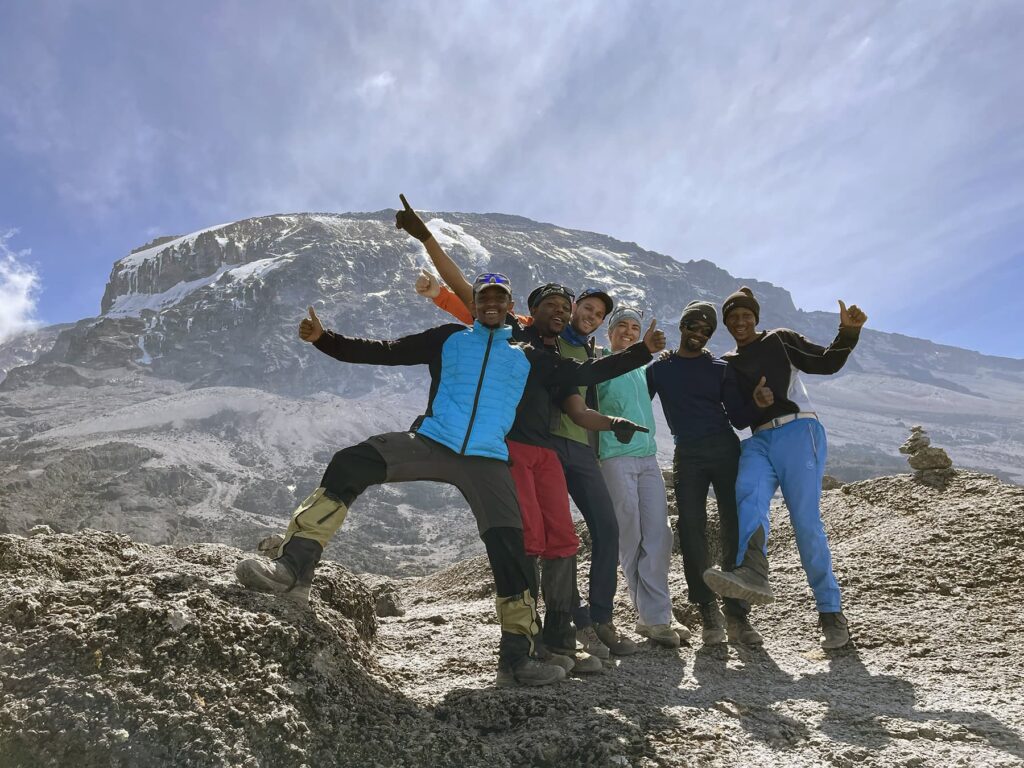
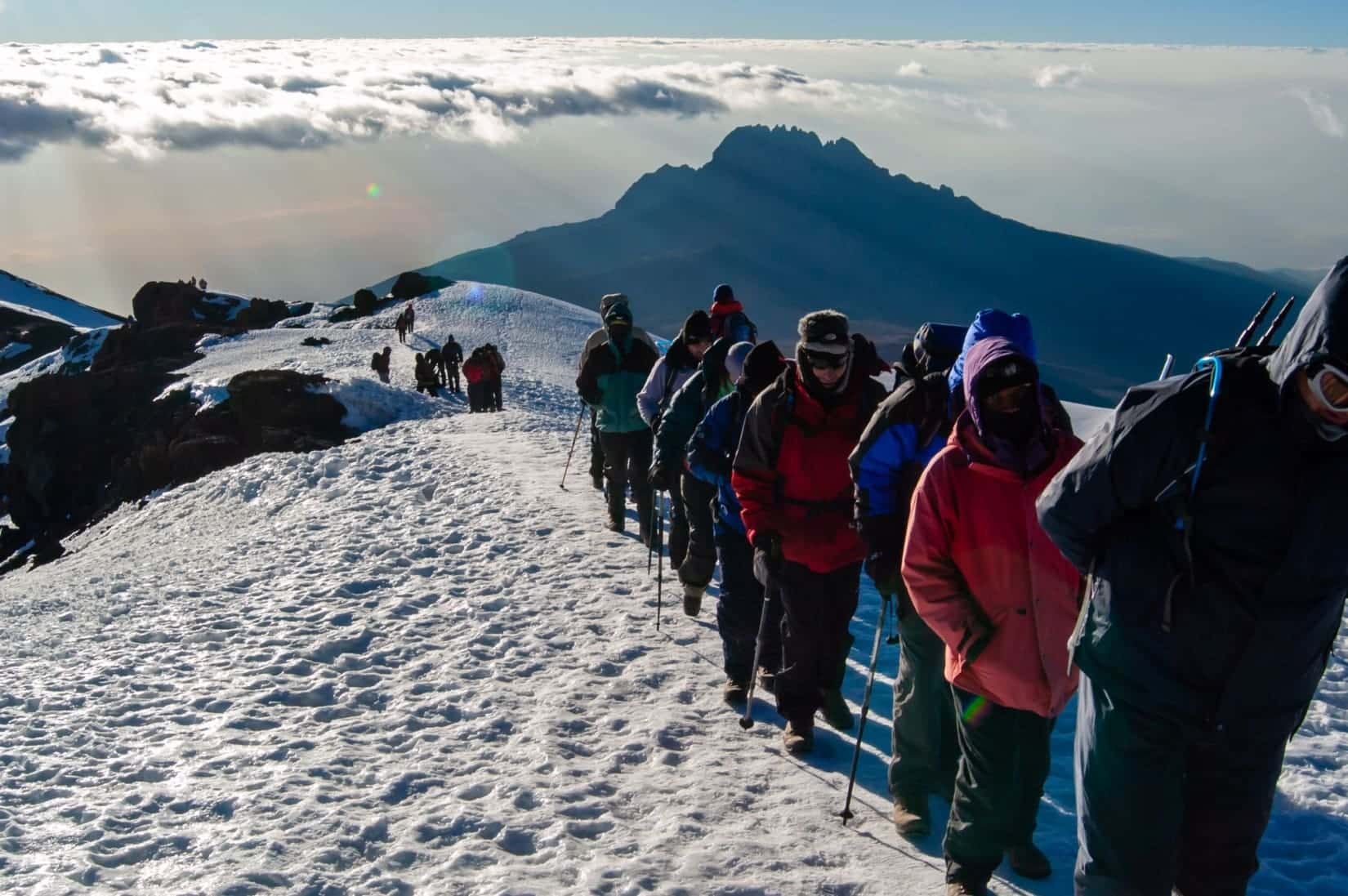
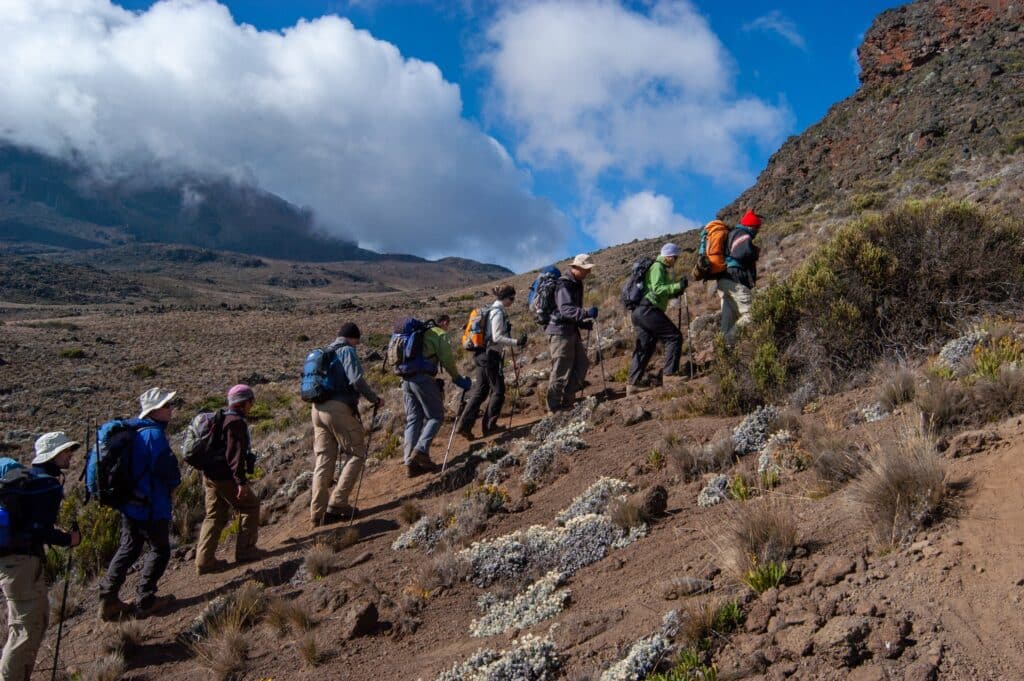
We offer four of the seven routes up Kilimanjaro – the best and safest ones! These routes range from seven to nine days, but our itineraries include a night at a local lodge on either side of the climb.
Prepare for your journey to Tanzania with these key details, including the closest airport to Mount Kilimanjaro, the local currency, seasonal highlights, and health considerations for climbing Africa’s tallest mountain!
Swahili, English
Tanzanian shilling (TZS)
The nearest airport and the one all our clients use is Kilimanjaro International Airport (JRO) just outside the city of Arusha. When coming from outside of East Africa, you must usually fly via Nairobi (Kenya) or Dar es Salaam (Tanzania) to catch a connecting flight to JRO.
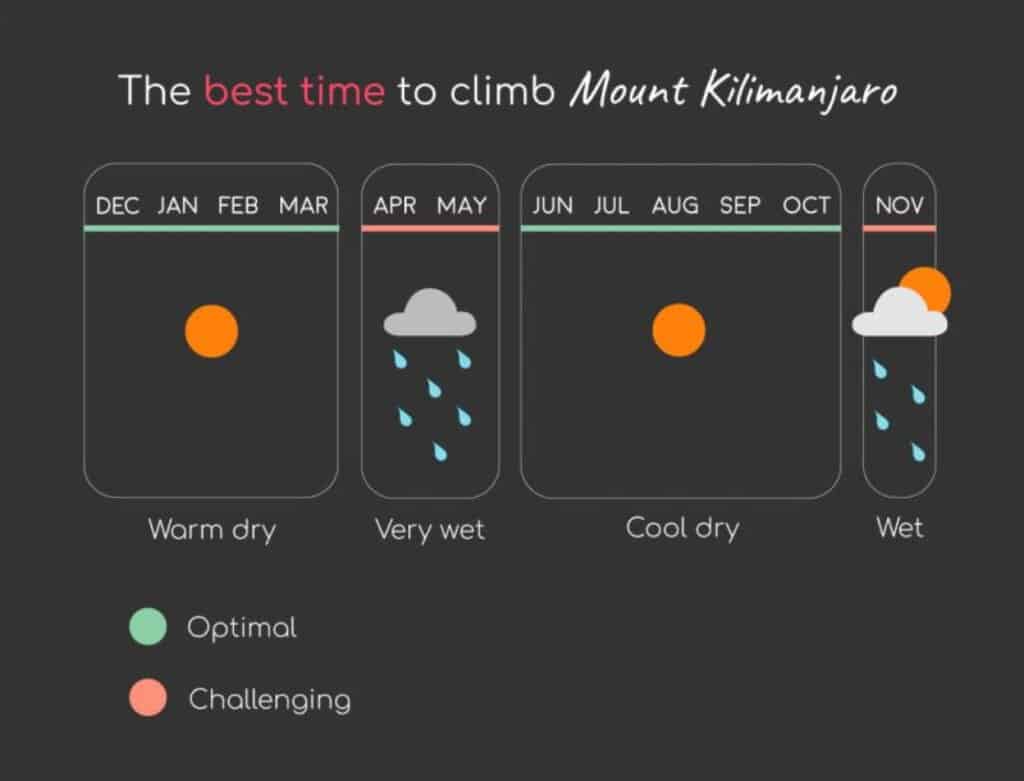
To learn more, please read Best time to climb Kilimanjaro.
A standard Tanzanian tourist visa is valid for up to 90 days and costs $50. U.S. citizens, however, must obtain a multiple-entry visa costing $100, valid for one year. Nationals from approximately 50 countries, including South Africa, Kenya, Hong Kong, Singapore, China, India, Brazil, and Turkey, do not require a visa. For more details.
Climbing Kilimanjaro: Safety First Climbing Kilimanjaro is safe when you choose a reputable tour operator that prioritizes your health and safety. The primary concern during the climb is extreme altitude, so it’s important to understand the risks and how to mitigate them. Additionally, you must have travel insurance that specifically covers hiking up to 6,000 meters above sea level to join a climb with Great Image Expedition. For a comprehensive overview,
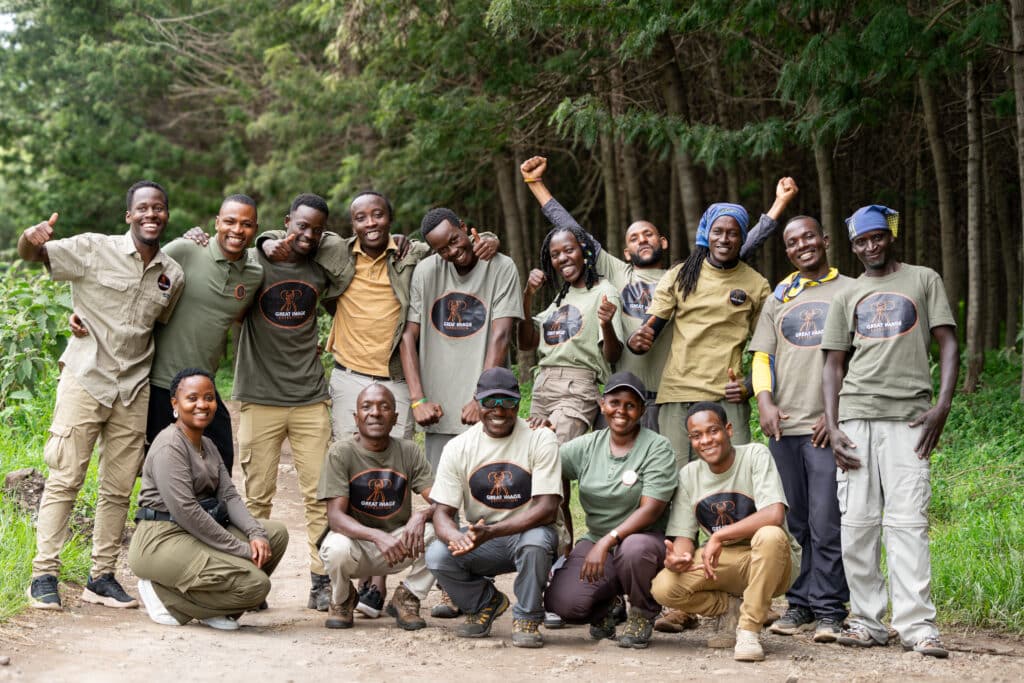
Our team is always here to help
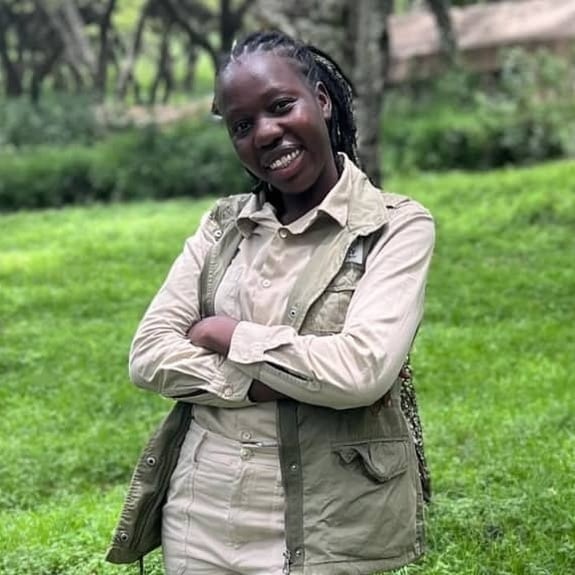
Farida is a highly experienced Kilimanjaro lead trek guide. She’s been leading treks with the Great Image Expedition for years, and we know our climbers are in great hands with Farida as the expedition leader.
As a female tour guide, establish Leadership through clear boundaries, confidence, and professionalism, aiming respect and trust She handles challenges as a female tour guide with confidence, clear boundaries, and strong skills. She stays fit, supports fellow guides, and
maintain professionalism.
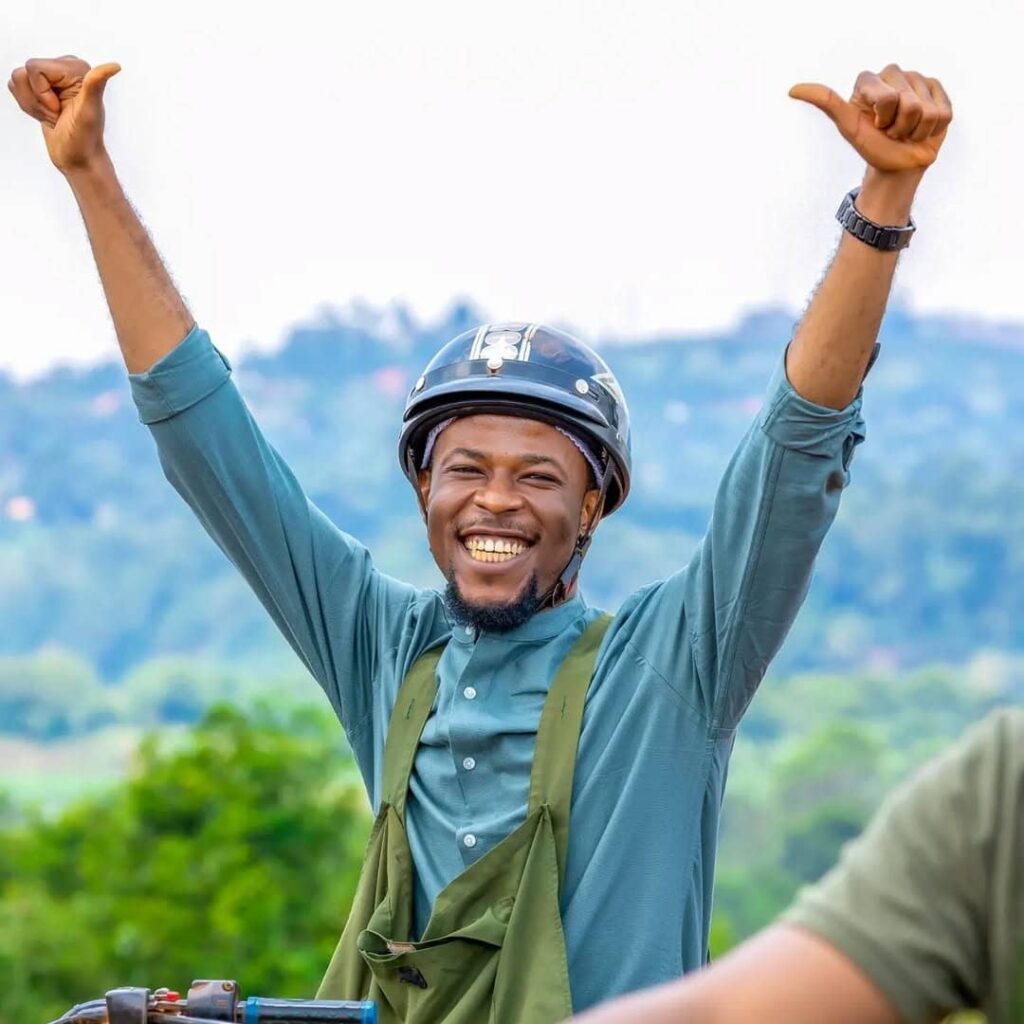
Hussein Bernard started working on Kilimanjaro in 2005 and has since made it to the summit over 200 times. He’s the founding father of GIE and loves taking people to the roof of Africa! He’s the steady and competent hand you need, but olso o great storyteller who adds so much to every trip!
It was a passion and Love for mountains, nature, and wildlife that drove him to mountain guiding.
He enjoys guíding, telling stories, and sharing knowledge about mountains, nature, and wildlife.
 Posted on Google
 Daniel judd17 September 2026
 We wanted to go on a safari for our honeymoon but after speaking to many uk based companies we was left disheartened with the lack on options they provided for itinerary and accommodation. So we done a lot of research online and found Raymond at Great Image Expedition, nothing was to much trouble everything was completely bespoke and exactly how we dream it to be. There was no pressure what so ever and we was completely confident with paying for our trip with a Tanzania based company. Our guides Godlistern & Simba was extremely friendly and knowledgeable and very respectful of the animals and their country. I would 1000% recommend this company for your next safari in Tanzania!Posted on Tripadvisor
 Rian21 August 2026
Verified
Vehicle Breakdown Every day had a same vehicle breakdown, everything went rush, guide was very harsh. The nature itself was outstanding, Tanzania is blessed.Posted on Tripadvisor Tribue Travels21 August 2026
Verified
Great Image Expedition is the best local talent Great Image Expedition isn’t just another tour company, it’s what a Tanzania experience should be. What makes them stand out is their local connection. They use local guides and experts who actually know Tanzania, its people, its wildlife, and its culture. That local knowledge creates experiences you simply can’t get from a company operating from the outside. From incredible safari moments to authentic cultural experiences, every detail felt personal, genuine, and thoughtfully planned. Their team didn’t just show us Tanzania, they connected us to Tanzania. If you want luxury, adventure, authenticity, and experiences that go beyond the typical tourist itinerary, Great Image Expedition is the company to book.Posted on Google Daryn’s Ride Through Life16 August 2026
 We were referred to Great Image Expeditions through our photographer when we were planning our elopement, and unfortunately, while parts of our experience were amazing, our overall experience with the company has been extremely disappointing. Our safari was fantastic, and Humphrey was absolutely incredible. He made the experience memorable, and the accommodations were also great. Unfortunately, our experience with the company itself has been a completely different story. We have been trying to get money that is owed to us from Raymond for almost two months now. What should have been a simple matter has turned into an exhausting cycle of excuses, delays, and what feels like being given the runaround. We have repeatedly been told different things and are still waiting for the money we are owed. That experience has really overshadowed what should have been an amazing overall trip. If I knew then what I know now about climbing Kilimanjaro, I would choose a different company. There are companies that offer better amenities and, based on our experience, a much better overall customer experience. I’m disappointed because we had such an incredible experience with Humphrey on safari, which makes the way the financial issue has been handled even more frustrating. I hope Raymond eventually makes this right, but after almost two months of excuses and games, it has become difficult to have any confidence in the company.Posted on Tripadvisor
 Rawaa M3 August 2026Exceptional Service from Start to Finish We went to Tanzania for our honeymoon, and Raymond from Great Image Expedition made the entire experience so easy. He planned our whole trip and took care of every detail, so we could simply enjoy it. For our safari, we were with Humpher, whose knowledge, experience, and passion made the adventure truly unforgettable. We learned so much and had an incredible time. We had an amazing experience with Great Image Expedition from start to finish and couldn’t recommend them more!
5.0 out of 5
5 star
100%
4 star
0%
3 star
0%
2 star
0%
1 star
0%
We’re one of the only travel companies worldwide with perfect 5* reviews
We use only new Land Cruisers produced in 2023-2026 and fitted with a fridge, Wi-Fi and sockets
Yes, most travelers need a visa to enter Tanzania. You can obtain it in advance through the Tanzanian embassy or consulate in your country or apply for an e-visa online. Alternatively, visas are available on arrival at major entry points like Kilimanjaro International Airport. Ensure your passport is valid for at least six months beyond your planned departure date and check for specific requirements based on your nationality.
While there are no mandatory vaccinations required to enter Tanzania, it is recommended to be up to date on routine vaccines such as measles, mumps, and rubella (MMR), tetanus, and polio. Additionally, consider vaccines for hepatitis A and B, typhoid, and yellow fever. If you are traveling from a country with a risk of yellow fever, you must provide proof of vaccination. Consult your doctor or travel clinic for personalized advice and check if any other vaccinations, such as meningococcal meningitis, may be beneficial based on your travel plans.
Mount Kilimanjaro is considered safe to climb, as it is a non-technical trek that does not require mountaineering experience or equipment. The primary risk is altitude sickness, but this can be mitigated by choosing a route with a good acclimatization profile, ascending gradually, and staying hydrated. While the climb is physically demanding, proper preparation, experienced guides, and safety measures make the adventure manageable for most climbers. Additionally, Kilimanjaro is an inactive volcano, with its last eruption occurring over 200 years ago, so there is no volcanic risk.
Climbing Mount Kilimanjaro is challenging but achievable for most people with proper preparation and determination. The trek does not require technical climbing skills, but it demands physical endurance and mental resilience. The main difficulty comes from the high altitude, which can cause altitude sickness. Choosing a route with a good acclimatization profile, taking it slow, and staying hydrated can help manage this risk. The final ascent to the summit is particularly tough due to the thin air, cold temperatures, and steep incline, but reaching the top is a rewarding experience for those who persevere. With adequate training and the support of an experienced mountain crew, many climbers successfully reach the summit.
Yes, solo climbers can join group treks to climb Kilimanjaro. Joining a group is a great way to share the experience, meet like-minded adventurers, and reduce costs, as expenses like guides, porters, and logistics are shared. Many tour operators offer scheduled group climbs with fixed departure dates, making it easy for solo travelers to join. Additionally, being part of a group provides camaraderie and motivation, especially during challenging parts of the trek.
Where you sleep on Kilimanjaro depends on the route you choose. On most routes, you sleep in tents provided by your tour operator, complete with sleeping mats. However, if you take the Marangu route, you stay in shared huts with bunk beds, mattresses, and pillows. Your mountain crew sets up camp or arranges accommodations, ensuring you have a comfortable place to rest. Whether in tents or huts, the experience is basic but sufficient for recharging during the trek.
The best time to climb Kilimanjaro is during the dry seasons, which typically run from January to mid-March and from June to October. These months offer more stable weather, clear skies, and lower chances of rain, making the trek safer and more enjoyable. January to mid-March tends to be slightly colder but less crowded, while June to October is warmer and busier. Ultimately, the choice depends on your preference for weather conditions and the level of trail activity.
Marangu Route on Kilimanjaro: A Day-by-Day Itinerary Reading time: 9 minutes Feb 23,…
Sleeping on Kilimanjaro Reading time: 12 minutes May 21, 2024 Sleeping on Kilimanjaro:…
The best hiking boots for Kilimanjaro Reading time: 24 minutes June 12, 2024…

 Facebook