Home ยป Tanzania
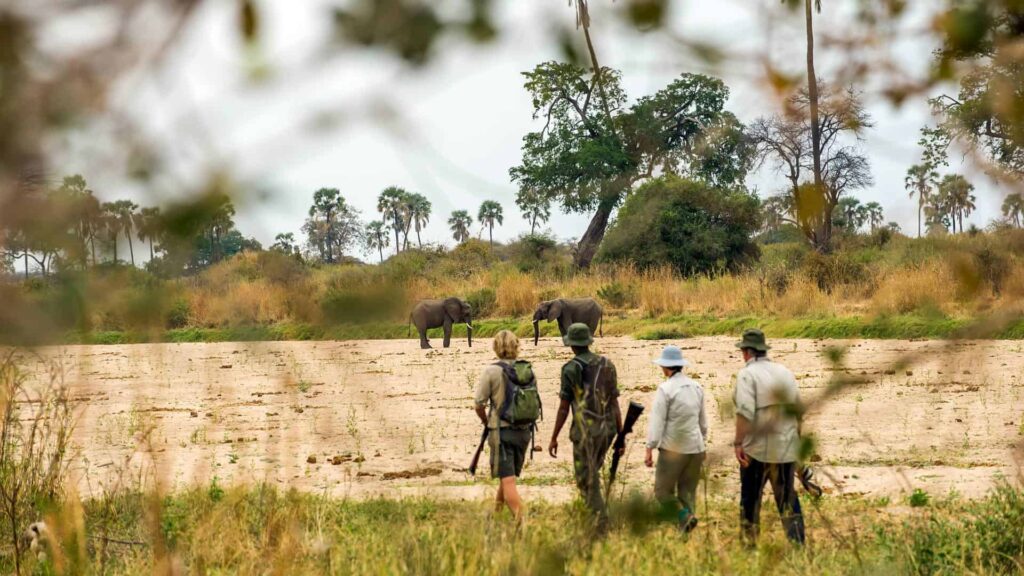
Great Image Expedition offers luxury safari holidays in Tanzania that reveal the timeless beauty of the Serengeti and beyond. Wake up to the sounds of birds greeting the dawn in the remote wilderness of Ruaha, or stand on the rim of the Ngorongoro Crater, taking in one of the most breathtaking wildlife spectacles on Earth while traveling along some of Africaโs most scenic safari routes.
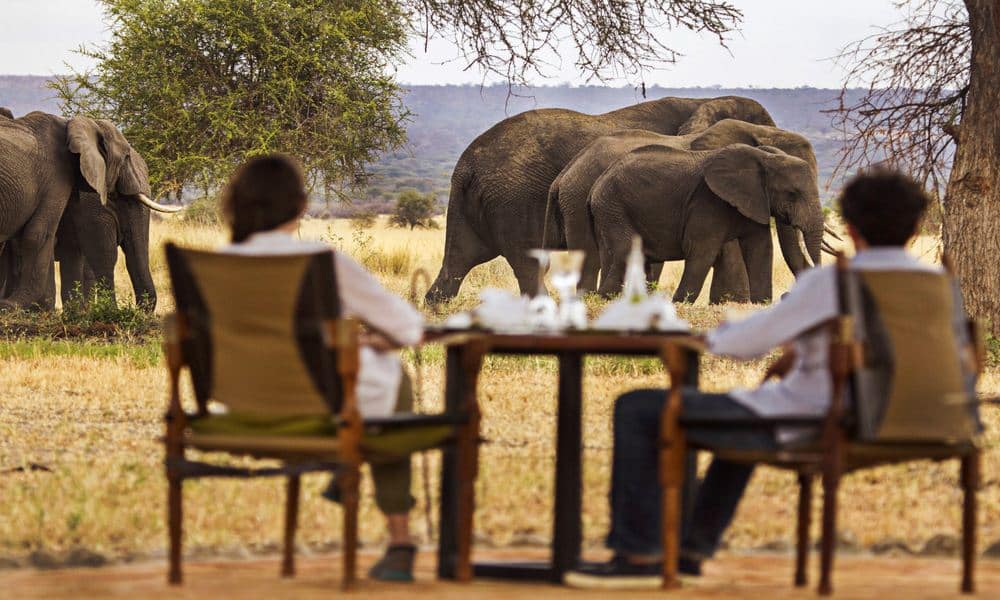
On Great Image Expeditionโs Tanzania Tours, explore a diverse collection of world-renowned national parks and conservation areas, including the legendary Serengeti National Park, the iconic Ngorongoro Conservation Area, and the elephant-rich landscapes of Tarangire and Lake Manyara. Our expeditions are led by some of the regionโs finest guides, whose deep knowledge brings Tanzaniaโs remarkable wildlife, landscapes, and ecosystems vividly to life.
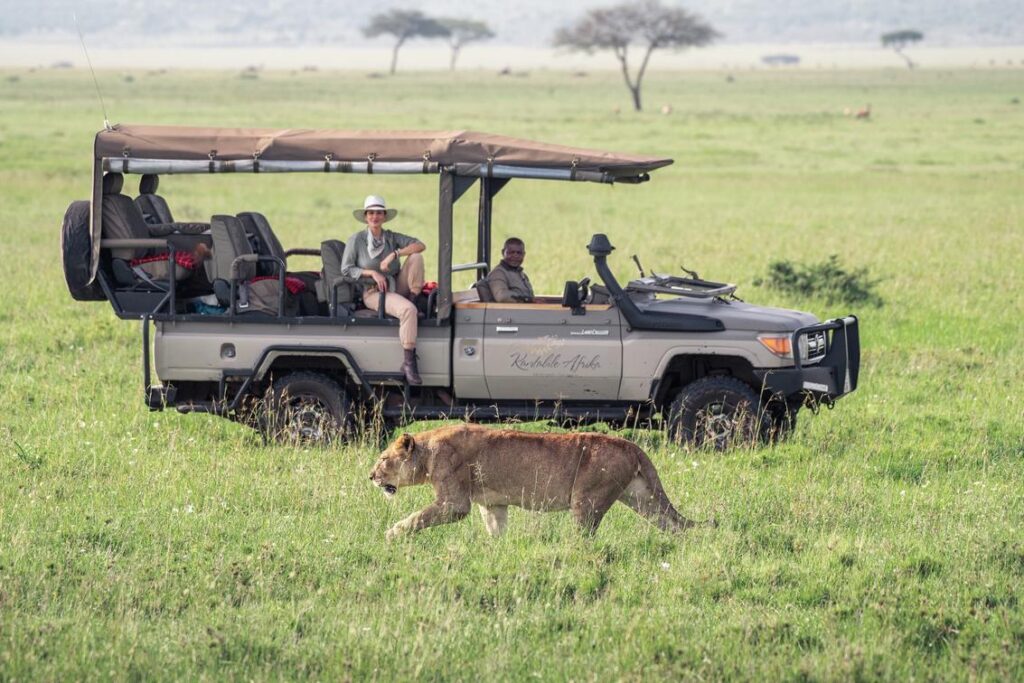
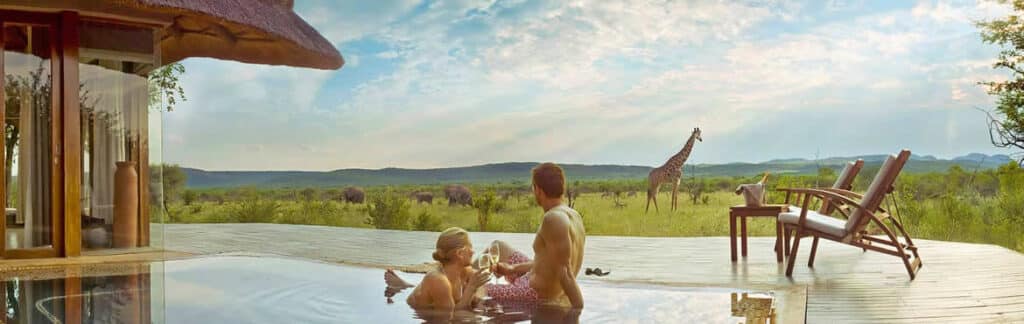
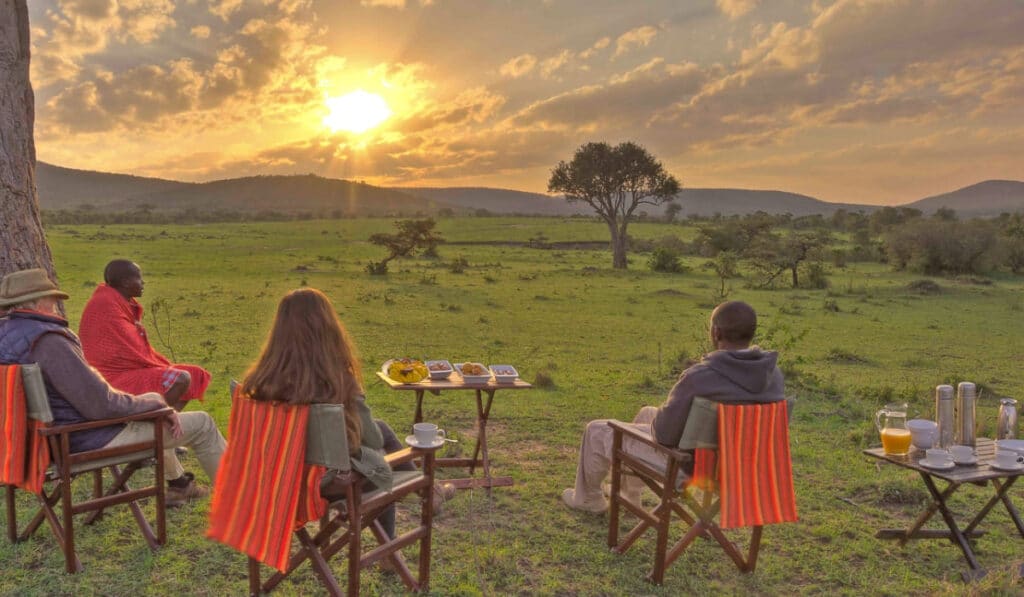
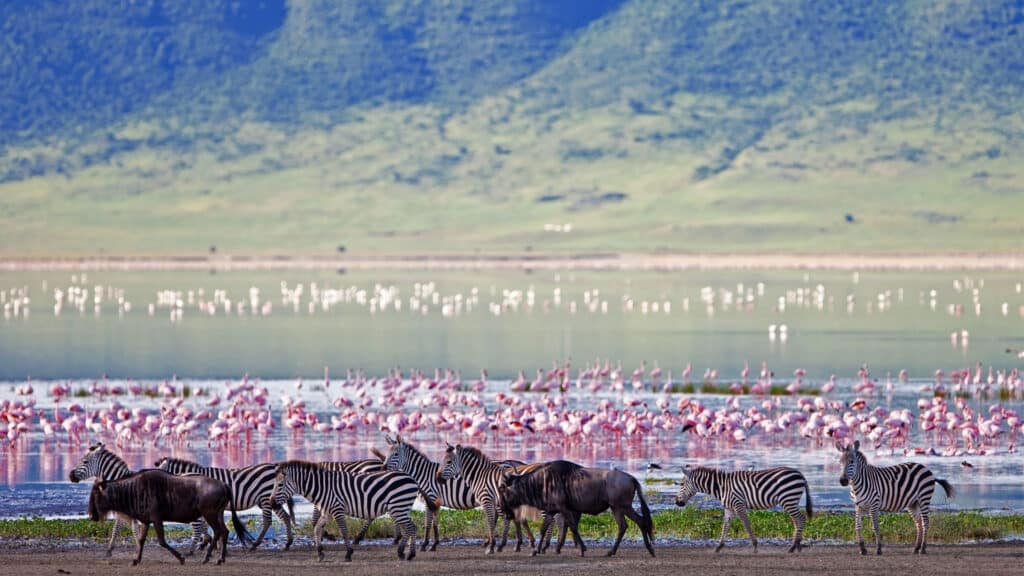
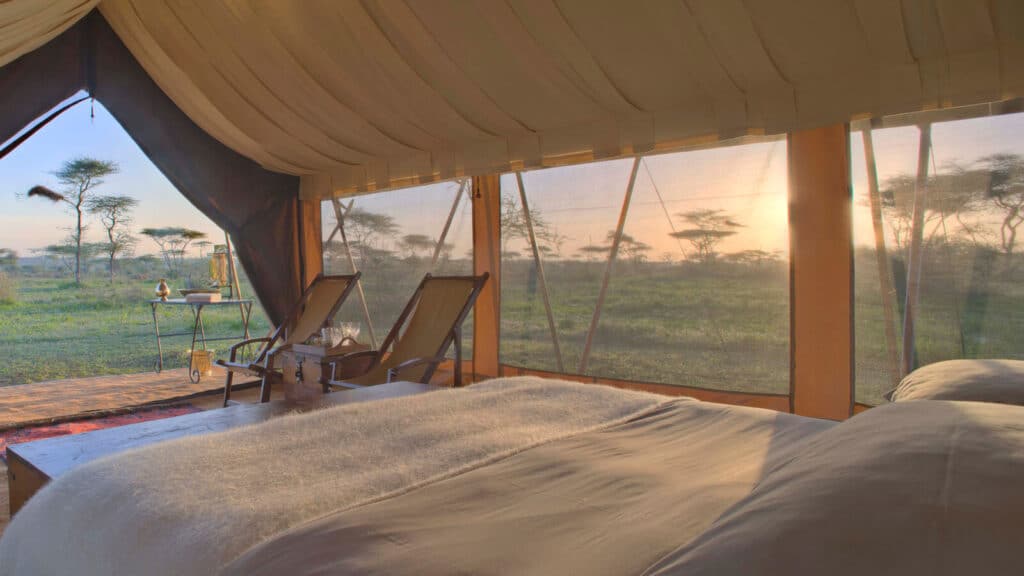
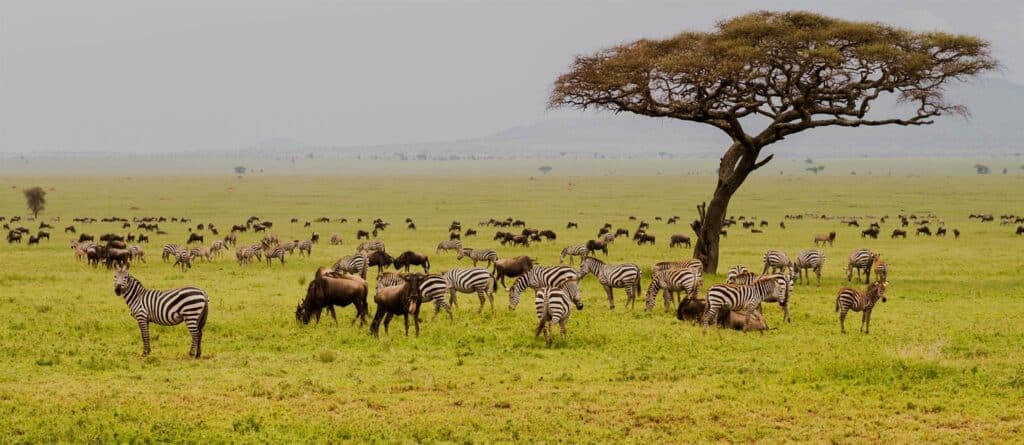
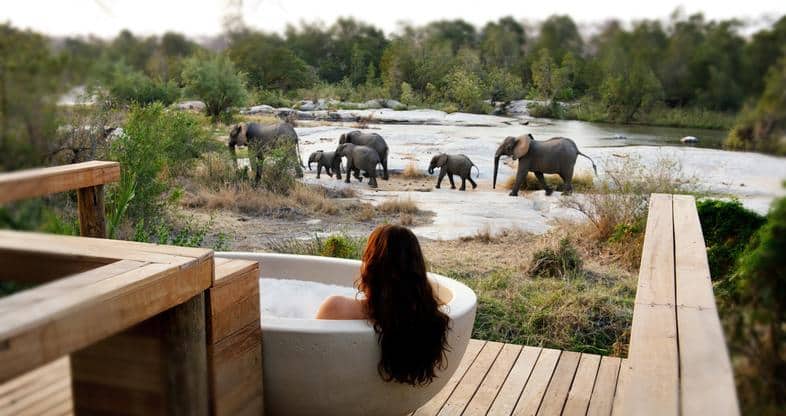
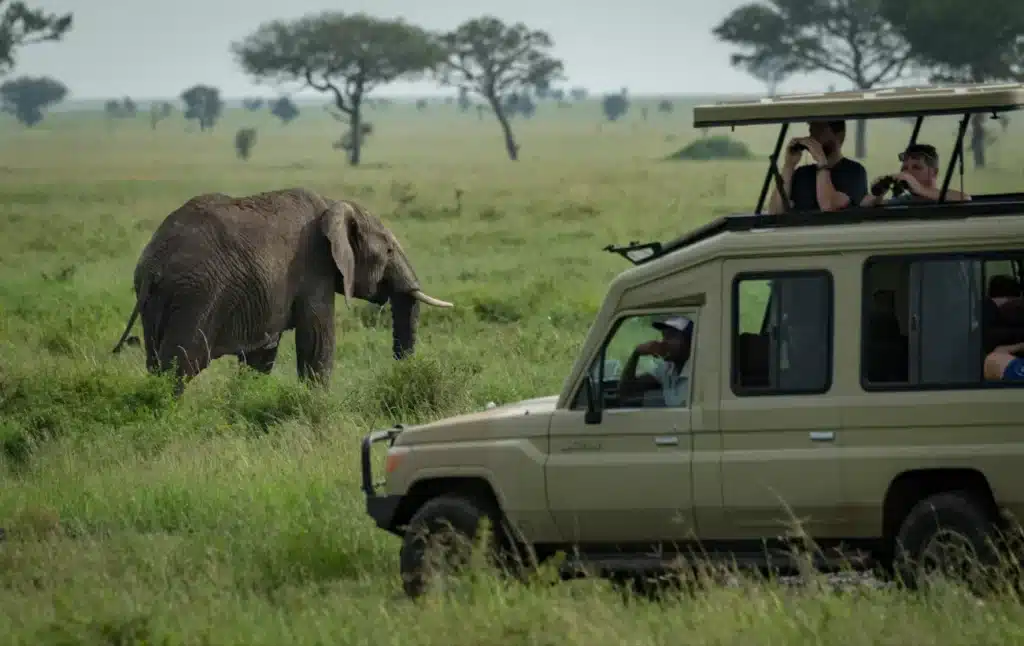
After each day of unforgettable game drives, relax in Tanzaniaโs finest luxury lodges or retreat to an exclusive tented camp set deep in the wild. Whether you witness the Great Migration as millions of wildebeest and zebra thunder across the Serengeti plains, spot a pride of lions resting on kopjes, or encounter rare black rhinos in Ngorongoro, Great Image Expedition ensures you are always at the heart of Tanzaniaโs most extraordinary safari experiences.
Great Image Expeditionโs luxury safari holidays in Tanzania also offer meaningful cultural encounters, from meeting the proud Maasai communities to engaging with local tribes whose traditions remain deeply rooted in the land. Our journeys go beyond the classic safari, including visits to community-supported projects that empower local families. Meet women artisans crafting traditional beadwork or learn about conservation initiatives that protect wildlife while supporting surrounding communities.
Experience Tanzania with Great Image Expedition and discover the perfect blend of adventure, culture, and luxury in one of Africaโs most iconic safari destinations.
December - March, June - October
ET +8 hours
Arusha (JRO); Dar es Salaam (DAR)
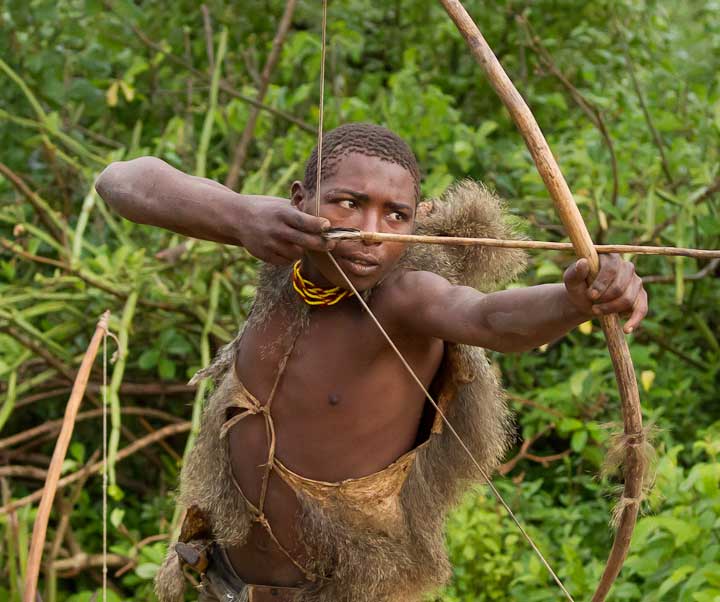
With an estimated population of fewer than 2,000, the Hadzabe remain one of East Africaโs last hunter-gatherer communities, preserving a…
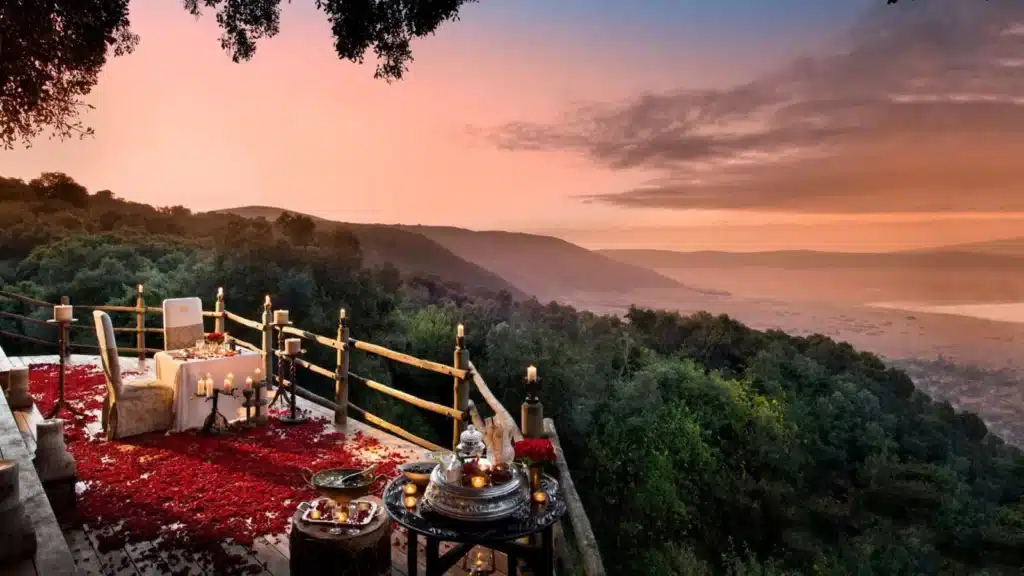
Spa by Healing Earth Tanzania Welcome to the Heart of Africa. We invite you to the very heart of Africa….
Escape to the Serval Wildlife Experience Near Mount Kilimanjaro Imagine waking up to the majestic silhouettes of Mount Kilimanjaro and…
Excursions and activities in Lake Natron. Visit an authentic Maasai village, walk to Lake Natron, and enjoy a beautiful view…
The ideal times to plan your Tanzania Safari Tour are from December to March or from June to October. During these periods, the weather is generally mild and dry, making it perfect for wildlife viewing. The main rainy season usually occurs from April to May, with a shorter wet season in November. February is particularly special as it marks the calving season for mammals like wildebeest, offering a unique opportunity to witness newborns in their natural habitat.
Booking is easy! Visit our website, choose your preferred package, and follow the simple reservation process. Our team is also available to assist you with any questions or special requests you may have.
We offer a range of accommodations to suit different preferences, including luxury lodges, tented camps, and mid-range options. Each accommodation is selected to provide comfort, safety, and proximity to wildlife viewing areas.
Yes, a valid visa is required for travel to Tanzania. Tourists can obtain a visa upon arrival at the airport or apply in advance through the Tanzanian embassy or consulate in their home country. Ensure your passport is valid for at least six months beyond your planned departure date.
It’s advisable to pack lightweight, breathable clothing in neutral colors, comfortable walking shoes, a wide-brimmed hat, sunscreen, insect repellent, binoculars, and a camera. Evenings can be cooler, so include a light jacket or sweater. Don’t forget any personal medications and copies of important documents.
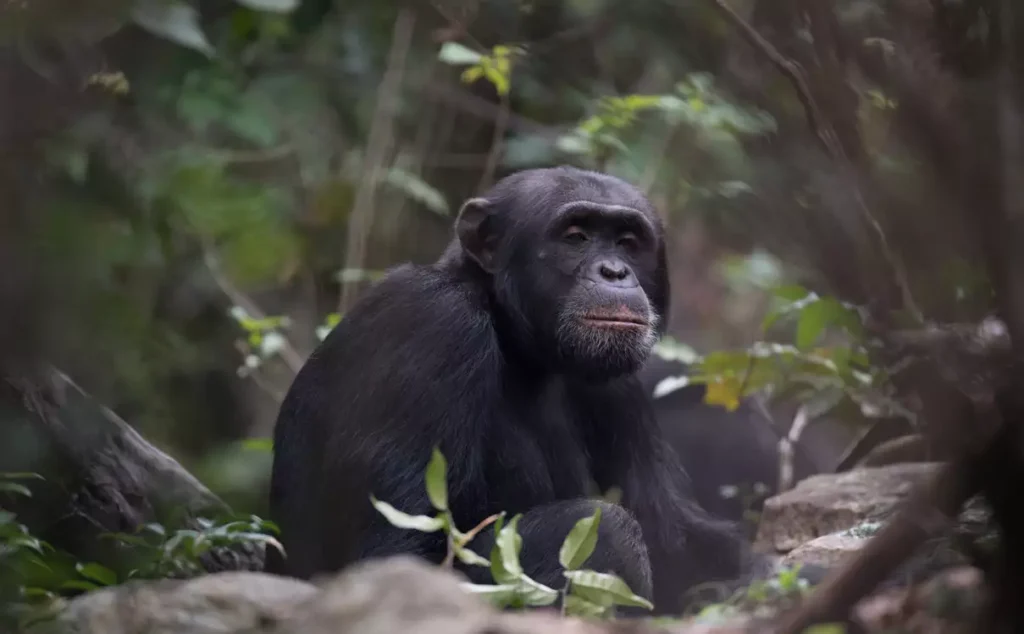
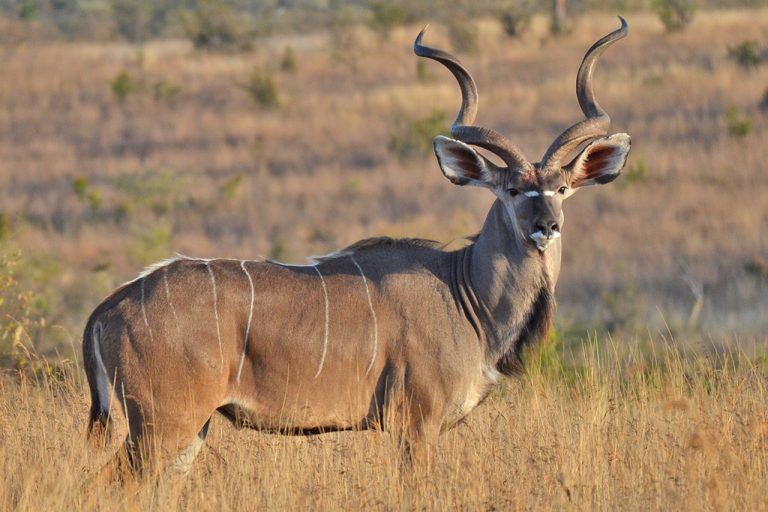
Tanzania is home to a diverse array of wildlife. Depending on the parks and reserves you visit, you can expect to see the “Big Five” (lion, elephant, buffalo, leopard, and rhinoceros), as well as giraffes, zebras, wildebeests, hippos, various antelope species, and a multitude of bird species. Each Tanzania National Park offers unique wildlife viewing opportunities.
Yes, many of our Tanzania Safari Tours offer cultural experiences such as visits to authentic Maasai villages, where you can learn about traditional customs and lifestyles. These interactions provide a deeper understanding of Tanzania’s rich cultural heritage.
Tanzania offers a rare combination of breathtaking landscapes, abundant wildlife, and cultural experiences. From the world-famous Serengeti Migration to the stunning Ngorongoro Crater and the idyllic beaches of Zanzibar, Tanzania provides an unparalleled safari adventure.
Yes, some vaccinations, such as Yellow Fever, may be required depending on your travel history. Itโs also recommended to have routine vaccines like Hepatitis A & B, Typhoid, and Malaria prevention medication. Always check with your doctor before traveling.
The ideal safari length depends on your interests. A short 4-5 day safari covers key parks, while a 7-10 day safari allows for a more immersive experience, including multiple destinations and a mix of game drives, cultural visits, and relaxation.
The ideal times to plan your Tanzania Tours are from December to March or from June to October. During these periods, the weather is generally mild and dry, making it perfect for wildlife viewing. The main rainy season usually occurs from April to May, with a shorter wet season in November. These rainy seasons attract fewer tourists but contribute to lush vegetation, ideal for grazing animals. February is particularly special as it marks the calving season for mammals like wildebeest, offering a unique opportunity to witness newborns taking their first steps and engaging with their surroundings.
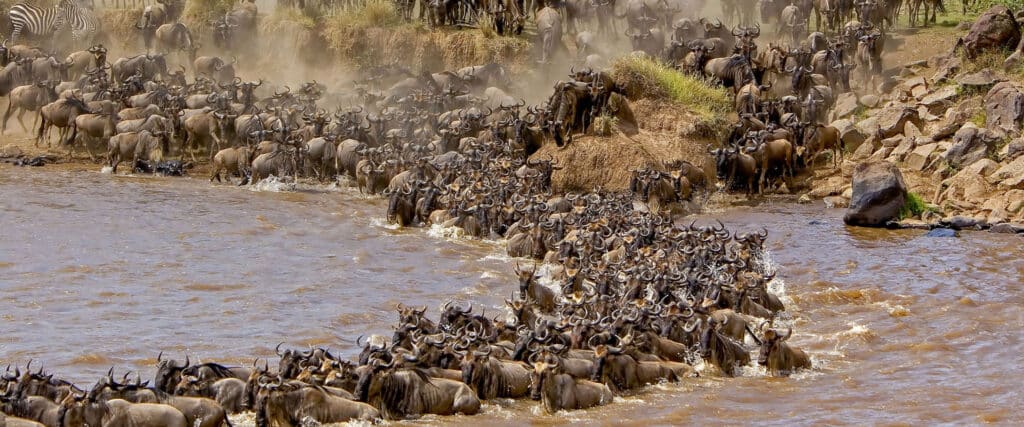
The Great Migration is the world’s largest animal migration, involving over two million wildebeest, zebra, and gazelle. Each year, these animals travel in a clockwise direction across the ecosystems of the Serengeti in Tanzania and the Masai Mara in Kenya. The migration is a continuous cycle, but the best times to witness it in the Serengeti, Southern Tanzania, are from December to early March. During April to May, which marks the long rainy season, the herds start moving northward across the central and western Serengeti, grazing along the way. From June to July, they progress through the western corridor of the Serengeti as they head further north towards the Masai Mara.

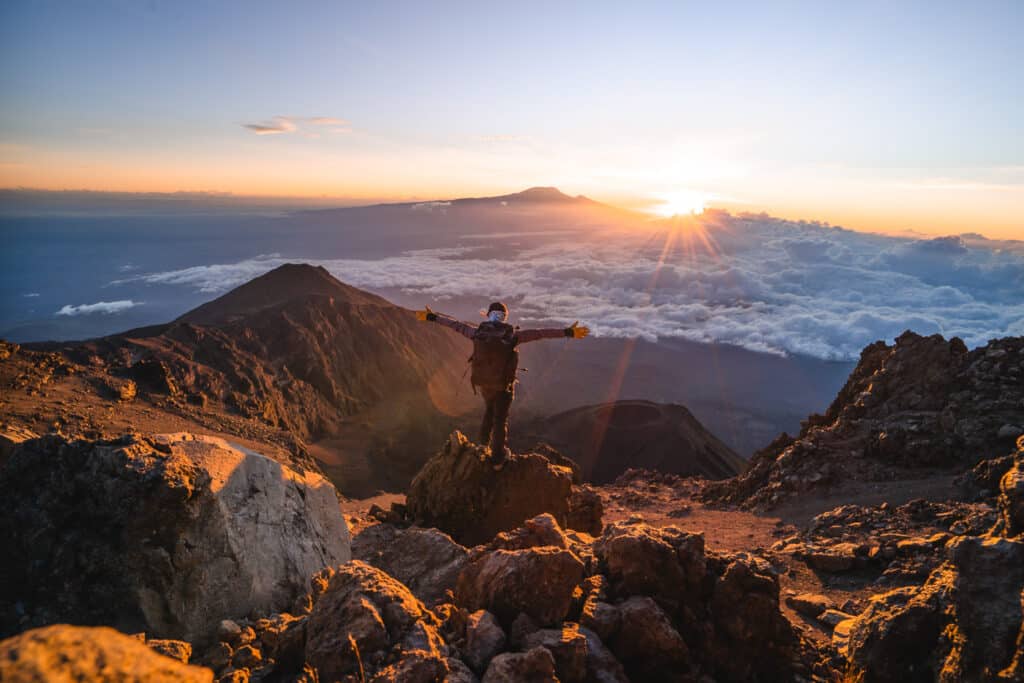
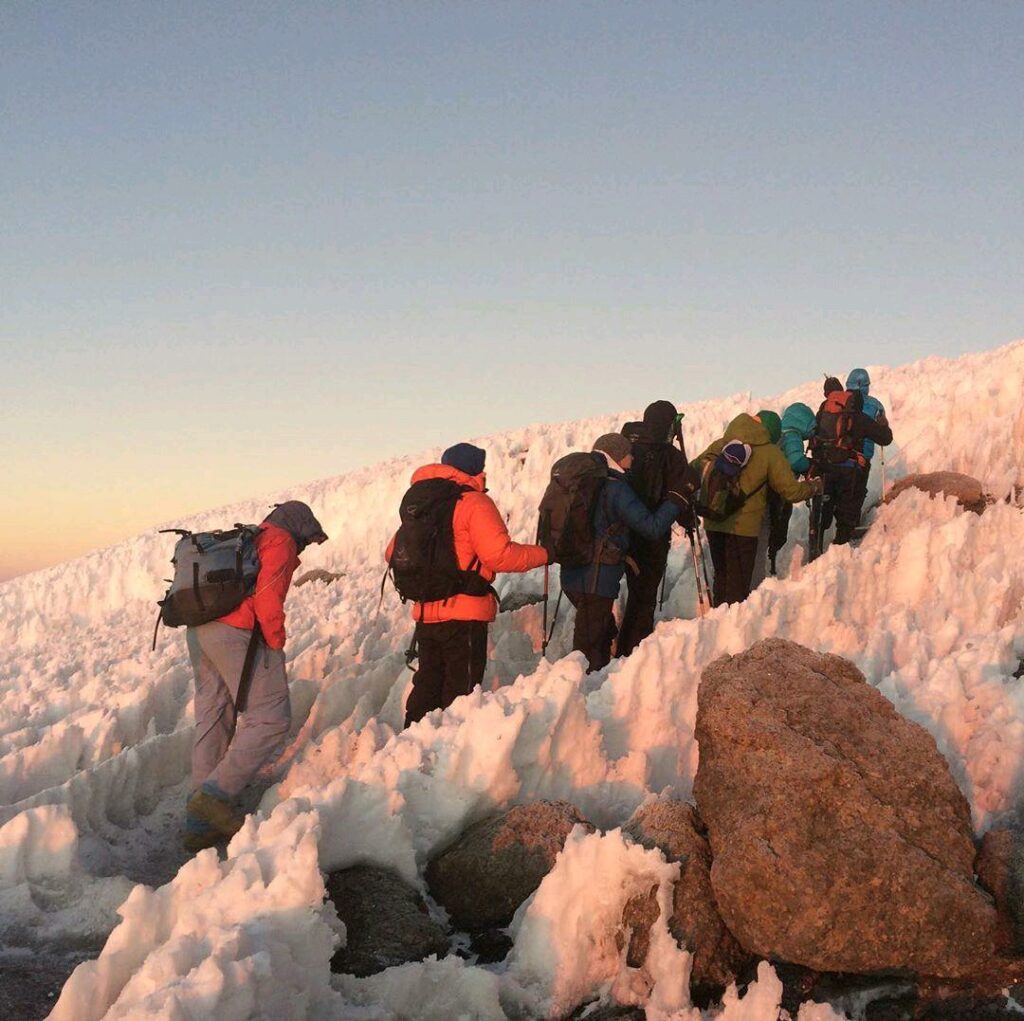
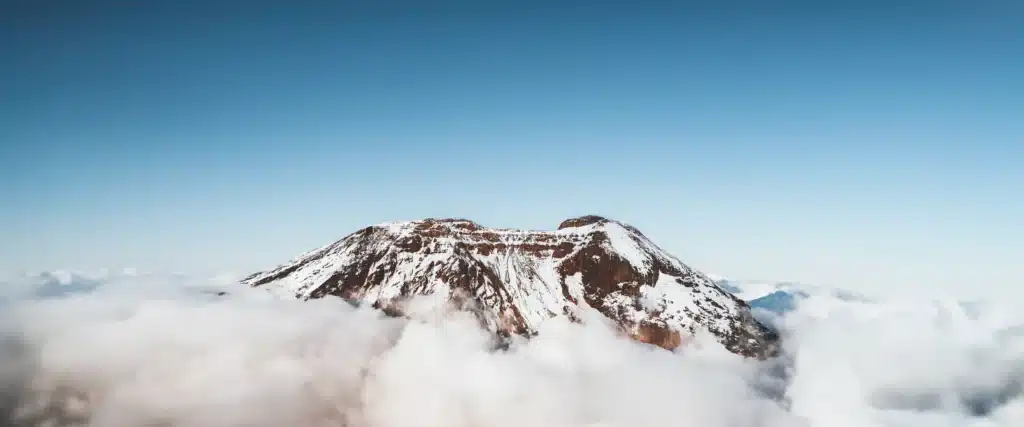
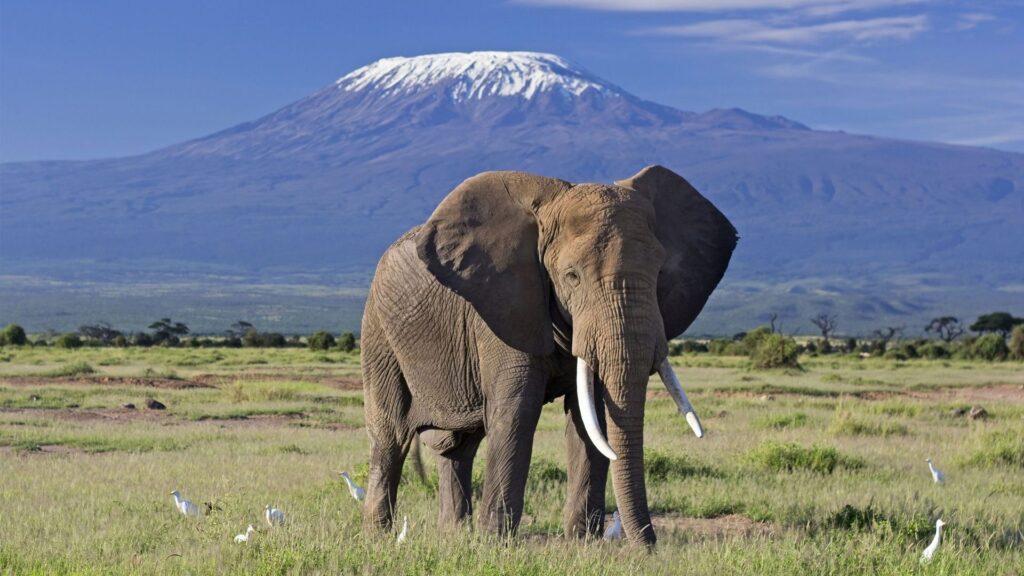
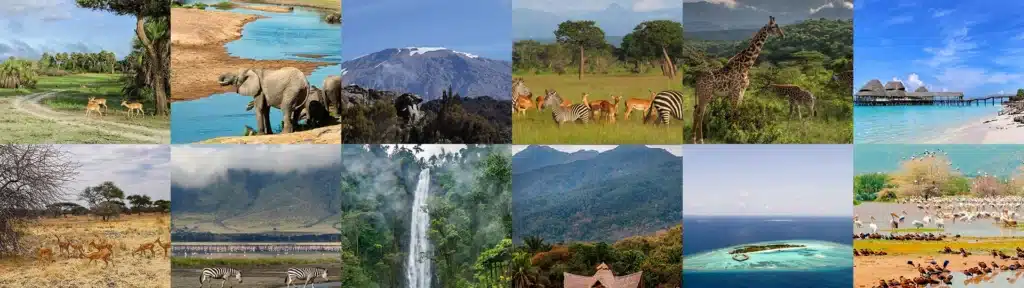
Tanzania brims with safari park options, including the vast Serengeti National Park, the breathtaking Ngorongoro Crater and the wildlife-rich Tarangire National Park. Secluded in Tanzaniaโs remote southern reaches, the vast expanses of Ruaha and Nyerere (Selous) National Parks offer exceptional game viewing for travellers willing to venture off the beaten track. A journey to Tanzania also affords the opportunity to climb Africa’s highest peak, Mount Kilimanjaro, while the island hideaway of Zanzibar invites guests to relax amid a beachfront paradise of sun, sand and surf.
The term โBig Fiveโ refers to the lion, leopard, elephant, rhinoceros and Cape buffalo โ Africaโs topmost predators, and must-sees on every safari adventure throughout Kenya, Tanzania, Botswana and South Africa.
While both destinations are known for their exceptional game viewing, Tanzaniaโs majestic Mount Kilimanjaro, coffee plantations, tropical coastline and island paradise of Zanzibar distinguish it from its neighbor to the north. Broadly speaking, Tanzaniaโs climate tends to be more tropical than Kenyaโs, with more lush, green landscapes. Given their proximity and intersection of the Great Migration, these two countries are often combined into one journey.
Tourist Visas are required for U.S. and Canadian passport holders travelling to Tanzania. Great Image Expedition recommends an Electronic Tourist Visa (eVisa). To apply online, visit eservices.immigration.go.tz/visa.
We recommend comfortable clothes made of natural, breathable fabrics. Plan to layer up or down as the temperature fluctuates. Neutral colors are best for game viewing, while black, navy blue and other dark colors tend to attract insects; leave camouflage at home, as itโs not permitted in game parks. Smart casual attire is appropriate for evenings, but formalwear is not necessary.
Posted on Tripadvisor![]()
Rian21 August 2026Verified
Vehicle Breakdown Every day had a same vehicle breakdown, everything went rush, guide was very harsh. The nature itself was outstanding, Tanzania is blessed.Posted on Tripadvisor![]()
Tribue Travels21 August 2026Verified
Great Image Expedition is the best local talent Great Image Expedition isnโt just another tour company, itโs what a Tanzania experience should be. What makes them stand out is their local connection. They use local guides and experts who actually know Tanzania, its people, its wildlife, and its culture. That local knowledge creates experiences you simply canโt get from a company operating from the outside. From incredible safari moments to authentic cultural experiences, every detail felt personal, genuine, and thoughtfully planned. Their team didnโt just show us Tanzania, they connected us to Tanzania. If you want luxury, adventure, authenticity, and experiences that go beyond the typical tourist itinerary, Great Image Expedition is the company to book.Posted on Google![]()
Darynโs Ride Through Life16 August 2026
We were referred to Great Image Expeditions through our photographer when we were planning our elopement, and unfortunately, while parts of our experience were amazing, our overall experience with the company has been extremely disappointing. Our safari was fantastic, and Humphrey was absolutely incredible. He made the experience memorable, and the accommodations were also great. Unfortunately, our experience with the company itself has been a completely different story. We have been trying to get money that is owed to us from Raymond for almost two months now. What should have been a simple matter has turned into an exhausting cycle of excuses, delays, and what feels like being given the runaround. We have repeatedly been told different things and are still waiting for the money we are owed. That experience has really overshadowed what should have been an amazing overall trip. If I knew then what I know now about climbing Kilimanjaro, I would choose a different company. There are companies that offer better amenities and, based on our experience, a much better overall customer experience. Iโm disappointed because we had such an incredible experience with Humphrey on safari, which makes the way the financial issue has been handled even more frustrating. I hope Raymond eventually makes this right, but after almost two months of excuses and games, it has become difficult to have any confidence in the company.Posted on Tripadvisor![]()
Rawaa M3 August 2026Verified
Exceptional Service from Start to Finish We went to Tanzania for our honeymoon, and Raymond from Great Image Expedition made the entire experience so easy. He planned our whole trip and took care of every detail, so we could simply enjoy it. For our safari, we were with Humpher, whose knowledge, experience, and passion made the adventure truly unforgettable. We learned so much and had an incredible time. We had an amazing experience with Great Image Expedition from start to finish and couldnโt recommend them more!Posted on Tripadvisor![]()
Anurudha K22 July 2026Verified
Must visit tribe in Tanzania Anyone who visits Tanzania should visit Hadzabe tribe to at least get a glimpse of what life should have been for the hunter gatherers during human evolution. We took this trip as a part of our tour package with Serengeti Wakanda tour operator. I will break down the experience to elaborate better. 1. Start early - Since we visited a true nomadic group, our guide asked us to go as early as possible before the men leave on hunts. We left Ngorongoro park by 5;50 AM and reached the tribe around 9:30 AM (we stopped in the jungle before visiting the tribe and had a packed breakfast). 2. Road - Once you leave the main road, then you are in the real bush. Since there is very less traffic to visit these tribes, the jungle tract to get to the tribe is very rough. 3. Guide - We had to pickup a local guide since our guide George from Serengeti Wekanda tours did not speak Hadzabe language. This guide Gunan is from a tribe called Datoga who trade with Hadzabe. You should visit that tribe as well and will write about Datoga tribe separately. Gunan the Datoga guide spoke the best English out of all the folks I met in Tanzania. He is a very young man, very knowledgeable about the tribes. Get Gunan if you plan to visit Hadzabe tribe. 4. Hadzabe tribe - From what I heard from Gunan, the Hadzabe population is around 700. The group we visited had about 30+. They had moved to this location only two days ago. Their tents were still getting built by the time we visited. The wood and other plant parts were still getting fixed. They have an interesting language that has click sounds interspersed with normal words. First we met the males who had done a hunt of a warthog the day before. They showed the different arrows for different animals. The poison laced arrows and the arrows for monkeys were quite interesting. All of the metal arrow heads were made by Datoga tribe. Once the men told us how they hunt, then we met the women and the kids. They did a tribal dance there. 5. Hunting with the Hadzabe - we were told that they will take us on a hunt which may take about two hours. Since we had to get back to catch our flights we only went with them to shoot some arrows in their training place. However, I think it may not be real to do a hunt in two hours. It may be to give some excitement to the visitors. Hadzabe have long hunts that takes 2-3 days where they go to hunt big animals. The shorter hunts for tourists may be only to get Baboons or smaller animals in the close by areas. 6. Giving money - Though they maintain a hunter gatherer lifestyle, they all ask for money. You should give the money to the ladies and ask them to share with the group. We did the mistake of giving to men and then the women came. Gunan the guide later said that we should have given to women. They actually need the money to buy arrowheads from Datoga tribe who are the blacksmiths. 7. Time to spend - We spent about 45 minutes there. The drive to the tribe is what consumes most of the time. Overall, it was a great experience.