
We’ve crafted unforgettable bespoke Tanzania photo safari itineraries, including our Wild Ruaha Photo Safari and the Ngorongoro Crater & Serengeti Photo Safari—designed to give photographers the ultimate wildlife experience.
Create your own dream East Africa photo safari by choosing from our handpicked list of iconic Tanzanian destinations.
Watch this exciting YouTube video from one of our safaris to a private concession in the Serengeti.
Read our Tanzania Photographic Safari FAQ and hear directly from guests in our Testimonials section.
Tanzania is a dream destination for photographers and adventure seekers alike, offering stunning landscapes, abundant wildlife, and the authentic spirit of Africa.
Even for those not focused on photography, Tanzania captivates with its raw natural beauty, world-class wildlife encounters, and exceptional accommodation, cuisine, and hospitality.
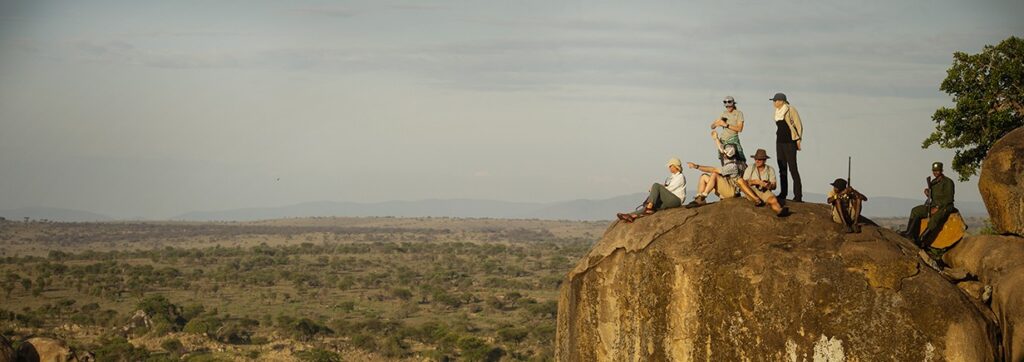
A custom “Best of Tanzania” safari wouldn’t be complete without exploring the legendary Serengeti. As Africa’s premier national park—vastly larger than the Masai Mara—the Serengeti is the heart of the Great Migration. But even outside the migration season, it’s a paradise for big cat lovers, with cheetahs prowling the southern plains and lions surveying the savannah from ancient granite kopjes in the east.
Whether it’s calving in the south or crossings in the west, witnessing the Great Wildebeest Migration is a must, as it’s the last great land migration of large mammals on Earth.
The Ngorongoro Crater, the world’s largest intact volcanic caldera, is often overlooked by photographers — but it shouldn’t be. We’ve discovered the best ways to capture its unique beauty and would love to guide you there.
To the west, Tanzania’s Mahale Mountains are home to the largest wild population of chimpanzees. Nestled along Lake Tanganyika, the camp here offers a truly remote and breathtaking setting. Chimpanzee trekking is intimate and non-commercial, limited to small groups of camp residents. With only six rooms and expert local guides, the experience is both exclusive and unforgettable.
Capture chimpanzees, an unforgettable once-in-a-lifetime moment.
Tanzania’s eastern arm of the Great Rift Valley offers dramatic landscapes perfect for aerial photography. A custom safari here often includes a breathtaking helicopter flight over the Ol’ Donyo Lengai volcano and Lake Natron, famous for its flamingos and striking Rift Valley scenery. For bird lovers and photographers, a visit to Nyerere National Park (formerly Selous) is essential. If you’re seeking untamed wilderness, explore the remote beauty of what many call “the connoisseur’s park,” a true gem in Tanzania’s wild heart.
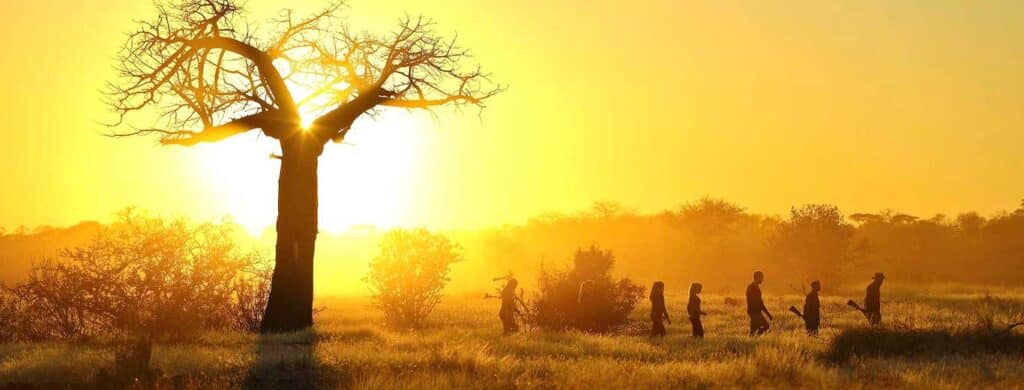
Capturing baobab trees under the starry skies of Ruaha is an unforgettable experience.
Tanzania’s eastern arm of the Great Rift Valley offers dramatic landscapes perfect for aerial photography. A custom safari here often includes a breathtaking helicopter flight over the Ol’ Donyo Lengai volcano and Lake Natron, famous for its flamingos and striking Rift Valley scenery. For bird lovers and photographers, a visit to Nyerere National Park (formerly Selous) is essential. If you’re seeking untamed wilderness, explore the remote beauty of what many call “the connoisseur’s park,” a true gem in Tanzania’s wild heart.
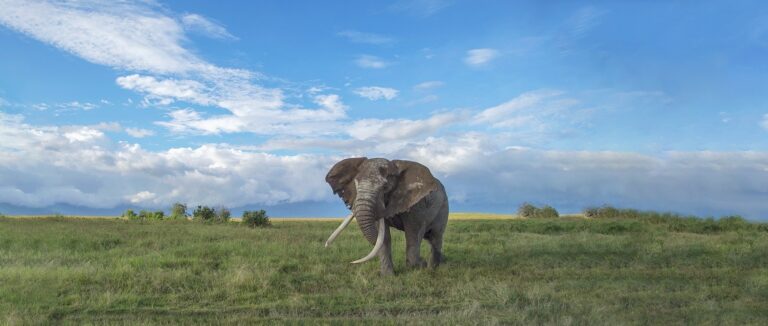
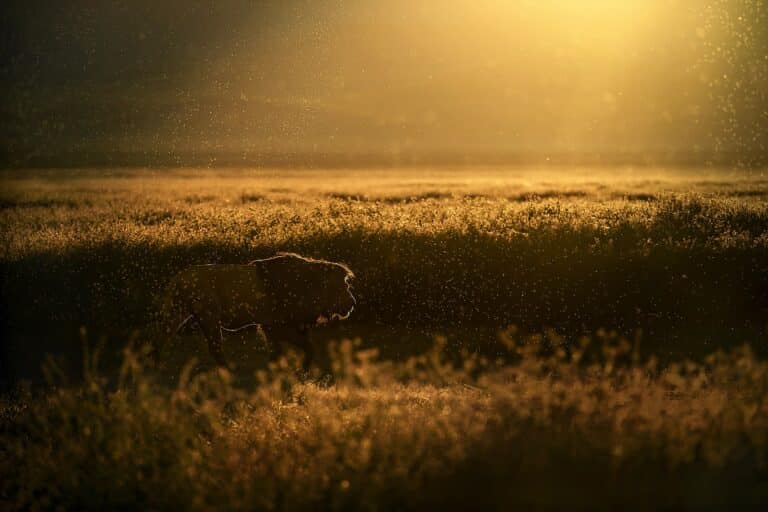
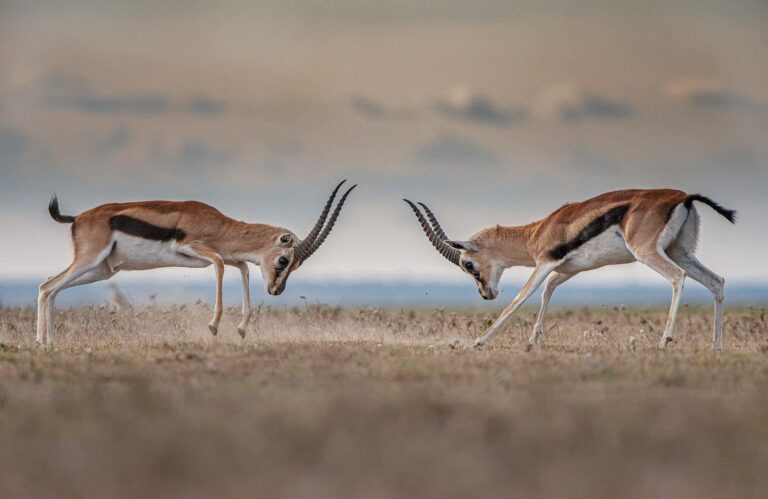
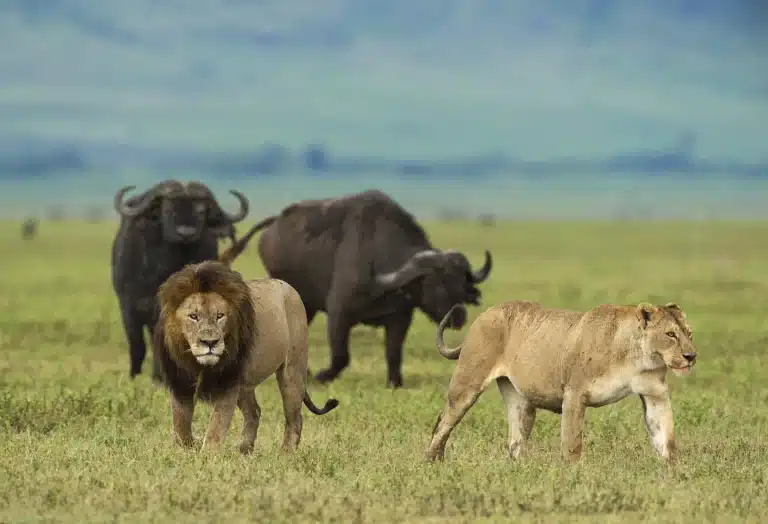
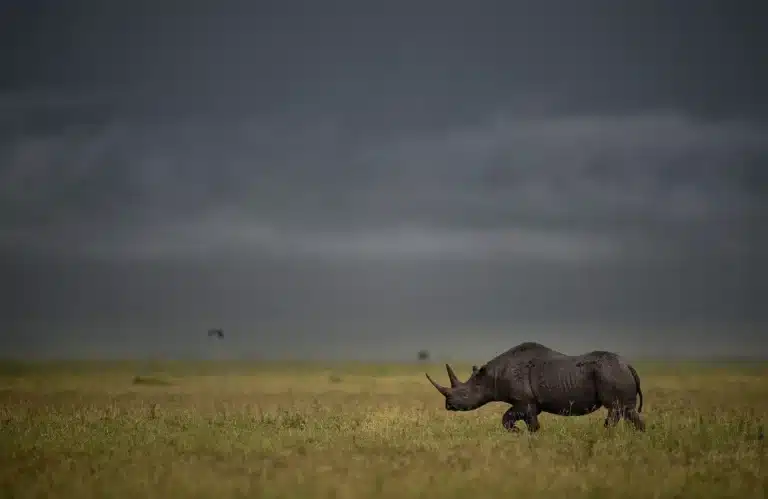
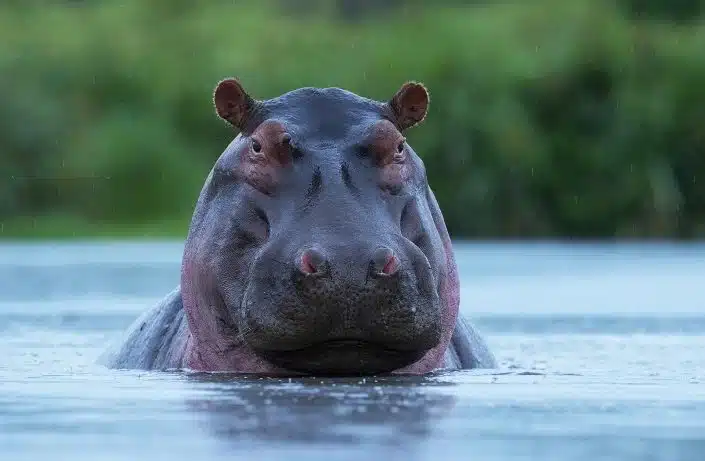
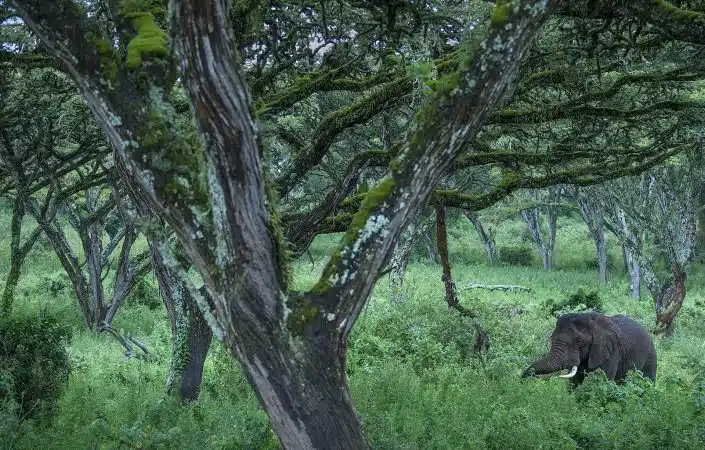
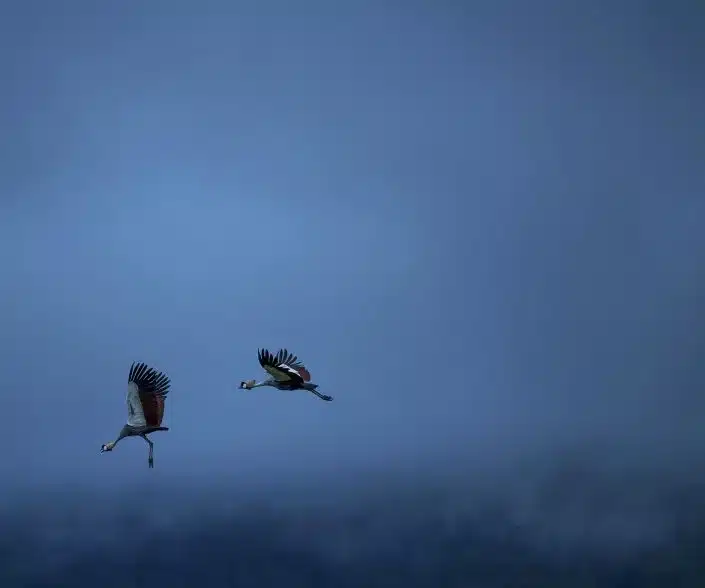
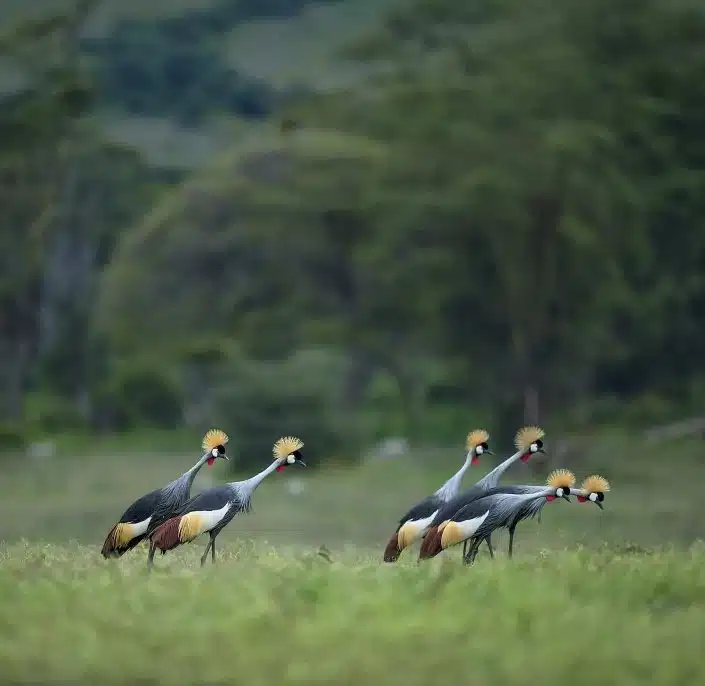
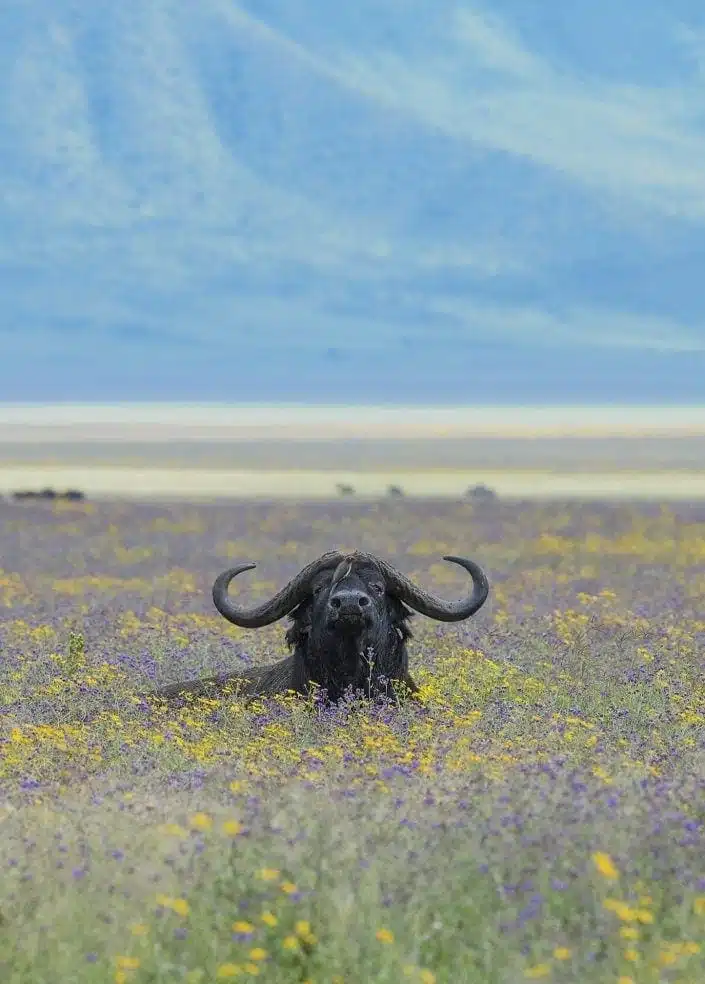
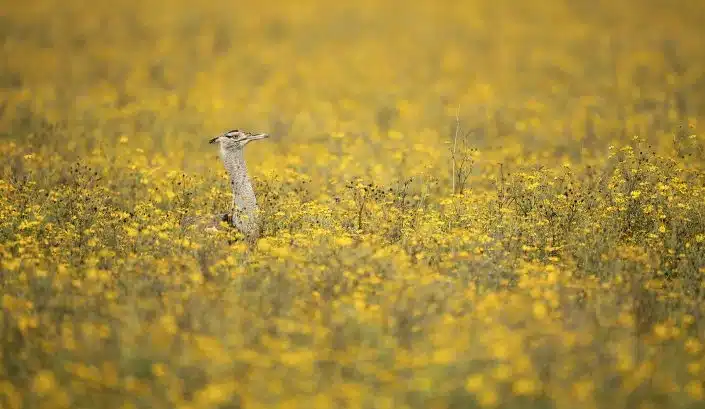
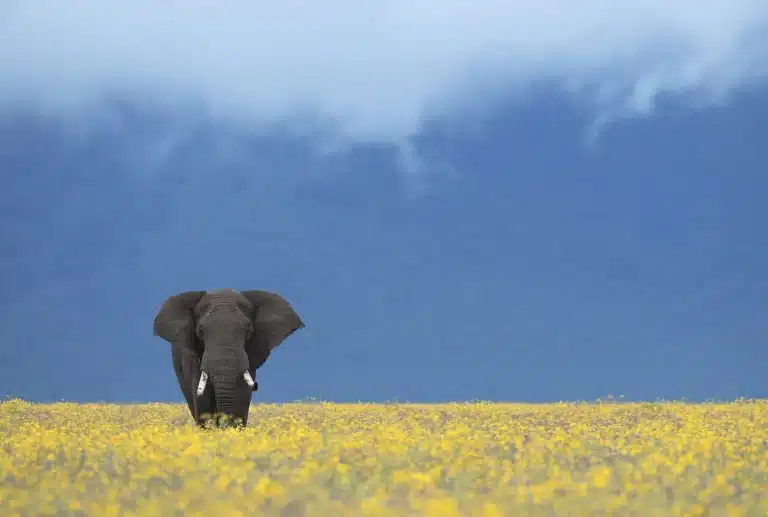
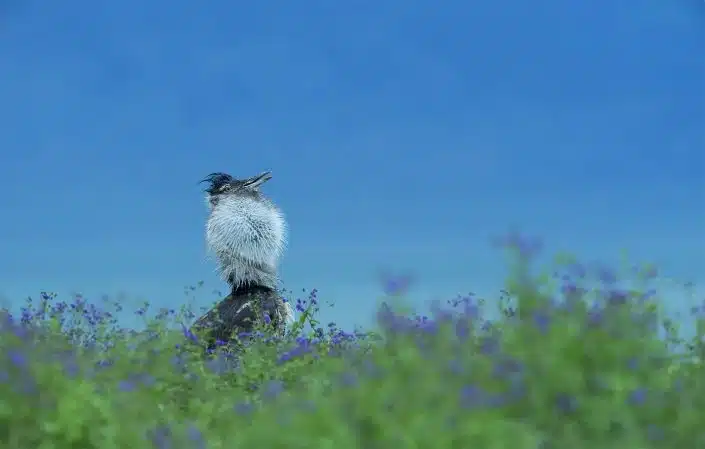
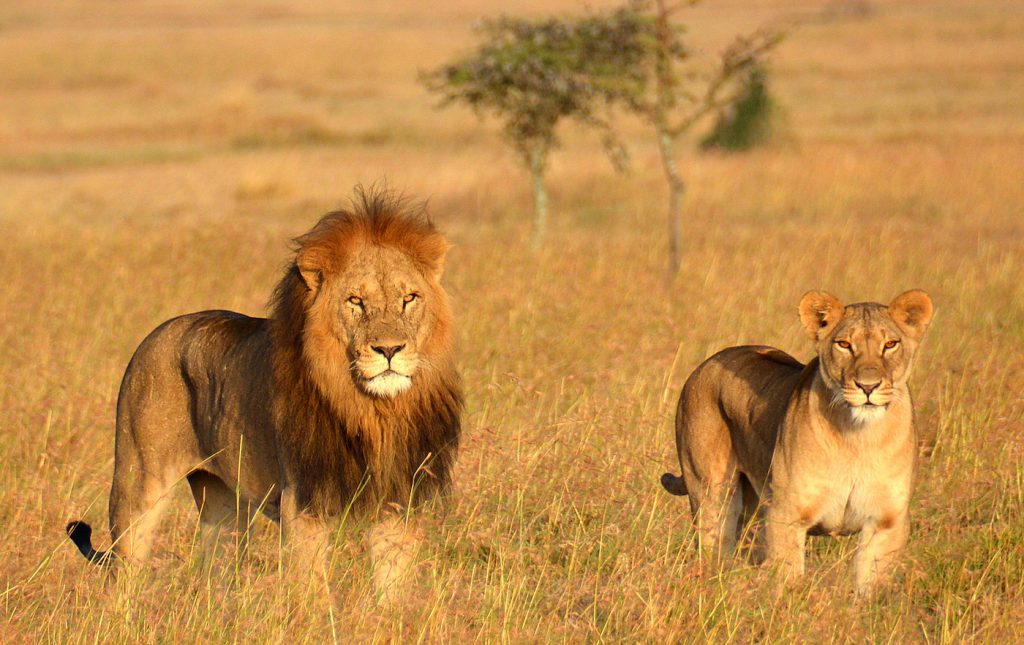
Bathed in the soft golden light of dawn, this majestic lion stands poised on a termite mound, surveying his kingdom in the Serengeti. Captured during the early hours when wildlife is most active, the image reflects both the raw power and quiet elegance of Africa’s most iconic predator. With his mane tousled by the morning breeze and eyes locked in an intense gaze, this shot tells a story of dominance, survival, and beauty in the wild.
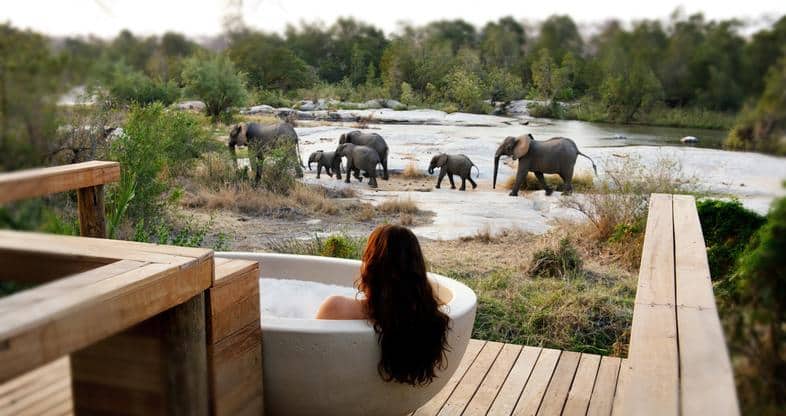
Choosing the right accommodation is key to a successful photographic safari. We’ve selected lodges and camps that not only offer comfort and exceptional service but are also located in prime wildlife areas—giving you quick access to the best photography opportunities. Whether you prefer luxury tented camps or eco-friendly lodges, these stays place you close to the action, often with stunning views right from your doorstep.
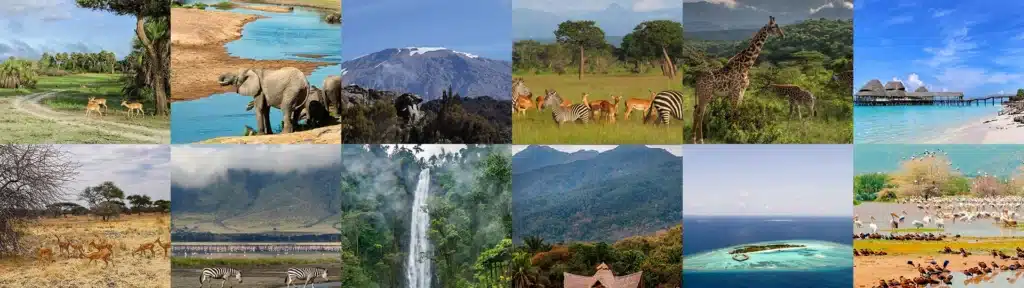
Tanzania is home to some of Africa’s most photogenic landscapes and wildlife-rich parks. From vast savannahs to lush wetlands, each destination offers unique scenes and moments perfect for capturing with your camera. Explore the best places for unforgettable photography experiences.
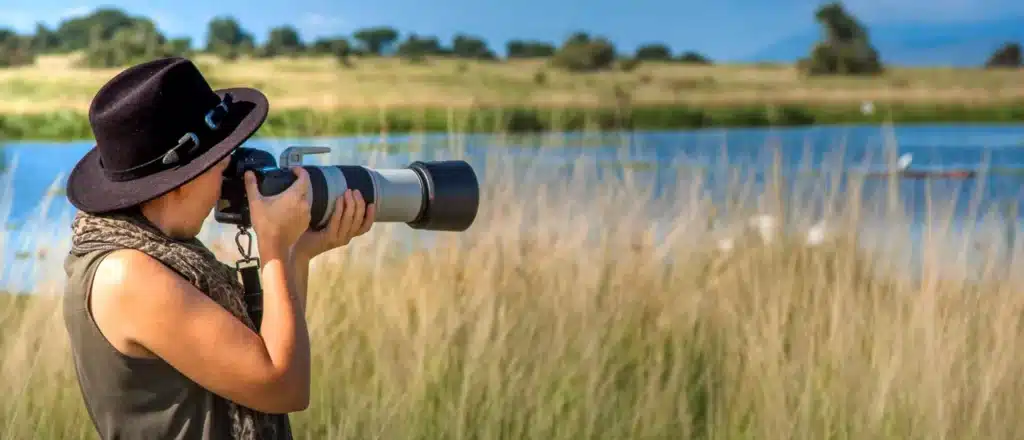
A photographic safari is a wildlife-focused trip designed to provide excellent opportunities for photography. It includes game drives during the best lighting conditions and often features guidance from professional photographers or experienced safari guides.
No, photographic safaris are open to all skill levels—from beginners with smartphones to professionals with DSLR cameras. Guides will support your needs regardless of experience.
A DSLR or mirrorless camera with a good zoom lens (at least 200–400mm) is recommended for wildlife. However, many travelers also capture great shots using advanced compact cameras or smartphones.
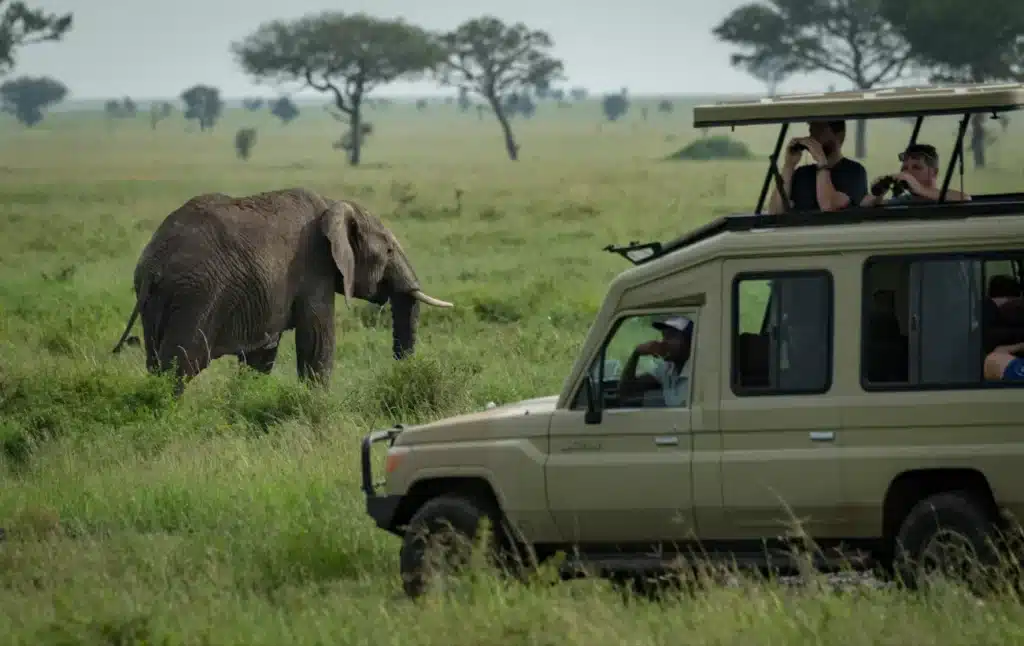
Yes, most photographic safari vehicles are specially modified with open sides, roof hatches, beanbags, and camera support systems to help you capture the best shots.
Early mornings and late afternoons are ideal. The lighting is softer, and animals are more active, increasing your chances of memorable wildlife encounters.
June to October (dry season) offers clearer skies and easier wildlife viewing, especially during the Great Migration. However, the green season (November to May) has dramatic landscapes and birdlife.
You can get surprisingly close—often just a few meters away—without disturbing the animals. Guides follow park rules to ensure a safe and respectful distance for both guests and wildlife.
Yes, photographic safaris are designed with fewer guests per vehicle and slower-paced game drives, giving you more time to frame, focus, and shoot.
Aside from your camera gear, bring extra memory cards, batteries, a lens cleaning kit, a power bank, and a dust-proof camera bag. A hat and neutral-colored clothing also help in the field.
Yes, most lodges and tented camps have charging facilities either in-room or in shared areas. It’s still a good idea to carry spare batteries and a power bank.
 Posted on Google
 Daniel judd17 September 2026
 We wanted to go on a safari for our honeymoon but after speaking to many uk based companies we was left disheartened with the lack on options they provided for itinerary and accommodation. So we done a lot of research online and found Raymond at Great Image Expedition, nothing was to much trouble everything was completely bespoke and exactly how we dream it to be. There was no pressure what so ever and we was completely confident with paying for our trip with a Tanzania based company. Our guides Godlistern & Simba was extremely friendly and knowledgeable and very respectful of the animals and their country. I would 1000% recommend this company for your next safari in Tanzania!Posted on Tripadvisor
 Rian21 August 2026
Verified
Vehicle Breakdown Every day had a same vehicle breakdown, everything went rush, guide was very harsh. The nature itself was outstanding, Tanzania is blessed.Posted on Tripadvisor Tribue Travels21 August 2026
Verified
Great Image Expedition is the best local talent Great Image Expedition isn’t just another tour company, it’s what a Tanzania experience should be. What makes them stand out is their local connection. They use local guides and experts who actually know Tanzania, its people, its wildlife, and its culture. That local knowledge creates experiences you simply can’t get from a company operating from the outside. From incredible safari moments to authentic cultural experiences, every detail felt personal, genuine, and thoughtfully planned. Their team didn’t just show us Tanzania, they connected us to Tanzania. If you want luxury, adventure, authenticity, and experiences that go beyond the typical tourist itinerary, Great Image Expedition is the company to book.Posted on Google Daryn’s Ride Through Life16 August 2026
 We were referred to Great Image Expeditions through our photographer when we were planning our elopement, and unfortunately, while parts of our experience were amazing, our overall experience with the company has been extremely disappointing. Our safari was fantastic, and Humphrey was absolutely incredible. He made the experience memorable, and the accommodations were also great. Unfortunately, our experience with the company itself has been a completely different story. We have been trying to get money that is owed to us from Raymond for almost two months now. What should have been a simple matter has turned into an exhausting cycle of excuses, delays, and what feels like being given the runaround. We have repeatedly been told different things and are still waiting for the money we are owed. That experience has really overshadowed what should have been an amazing overall trip. If I knew then what I know now about climbing Kilimanjaro, I would choose a different company. There are companies that offer better amenities and, based on our experience, a much better overall customer experience. I’m disappointed because we had such an incredible experience with Humphrey on safari, which makes the way the financial issue has been handled even more frustrating. I hope Raymond eventually makes this right, but after almost two months of excuses and games, it has become difficult to have any confidence in the company.Posted on Tripadvisor
 Rawaa M3 August 2026Exceptional Service from Start to Finish We went to Tanzania for our honeymoon, and Raymond from Great Image Expedition made the entire experience so easy. He planned our whole trip and took care of every detail, so we could simply enjoy it. For our safari, we were with Humpher, whose knowledge, experience, and passion made the adventure truly unforgettable. We learned so much and had an incredible time. We had an amazing experience with Great Image Expedition from start to finish and couldn’t recommend them more!


 Facebook