
Home » Kenya Experiences » Birds Watching
Home » Kenya Experiences » Birds Watching
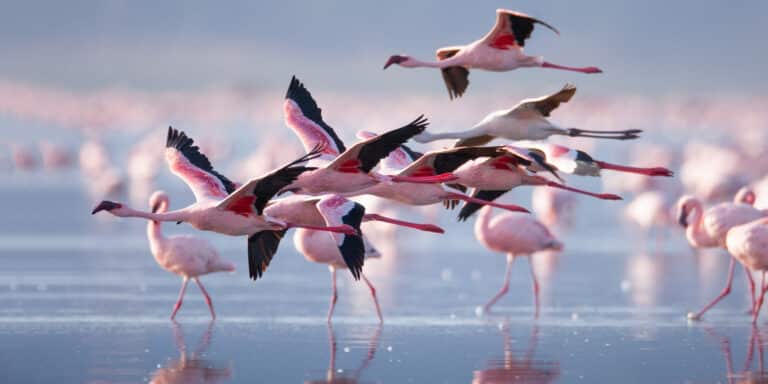
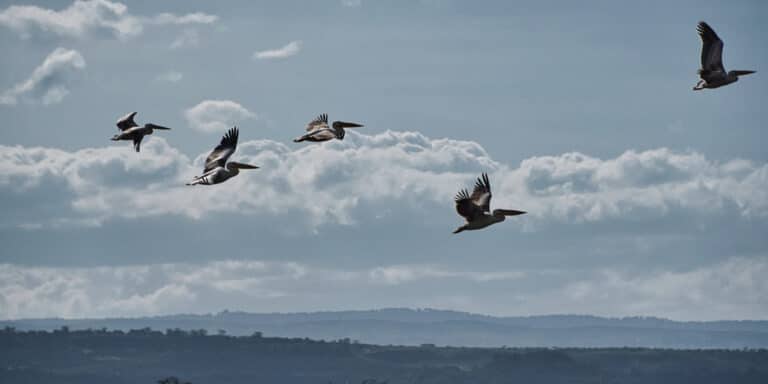
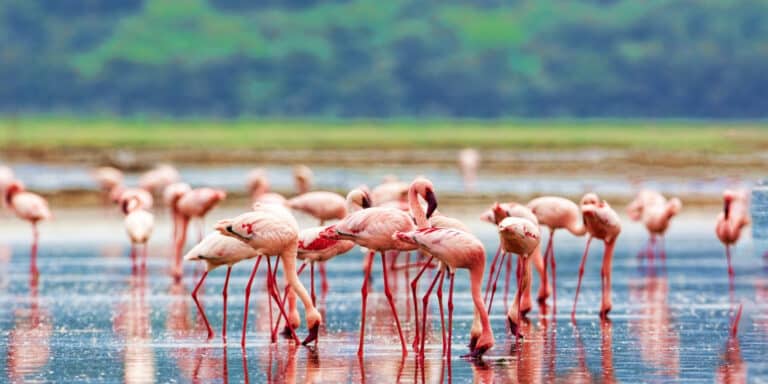
This checklist presents a comprehensive record of all bird species that have been documented within Lake Nakuru National Park, drawing on the best and most reliable information available at the time of publication. It has been compiled through the careful review and synthesis of diverse sources, including long-term field observations, published ornithological literature, official park and conservation surveys, birdwatching reports, and personal records gathered over many years. Each source has been cross-checked where possible to enhance reliability, and considerable attention has been given to ensuring that both resident and migratory species are accurately represented. The result is a detailed reference that reflects the exceptional avian diversity for which Lake Nakuru National Park is internationally renowned.
Despite the rigorous approach taken in compiling this checklist, it is important to recognize that bird populations are not static. Seasonal migrations, fluctuating water levels, changes in vegetation, climatic variations, and broader environmental pressures can all influence the presence, abundance, and distribution of species within the park. Some birds may appear only at certain times of the year, while others may become more or less common over time. For these reasons, this checklist should be viewed as an authoritative and up-to-date guide rather than a fixed or permanent record. Ongoing observations and future research may lead to additions, revisions, or changes as the park’s ecosystems continue to evolve.
This checklist is offered as a practical and informative resource for birdwatchers, researchers, tour guides, students, and conservation enthusiasts visiting Lake Nakuru National Park. By providing a clear and well-researched overview of the park’s birdlife, it aims to support accurate bird identification, encourage responsible birding, and promote a deeper appreciation of the park’s rich wetland and terrestrial habitats. Ultimately, it is hoped that this work will contribute to increased conservation awareness and help enrich the overall birding experience in one of Kenya’s most important and iconic bird habitats.
These properties offer world-class amenities and the highest standard of service in the region.