The Best Places for Tanzania Safaris
Tanzania offers several distinct safari regions, each with different landscapes and wildlife experiences. First-time visitors often choose the Northern Circuit because it combines the
Serengeti,
Ngorongoro Crater,
Tarangire National Park,
and Lake Manyara within one itinerary. Travelers looking for quieter parks may prefer southern Tanzania, while western Tanzania offers remote wilderness and primate experiences.
Serengeti National Park Safaris
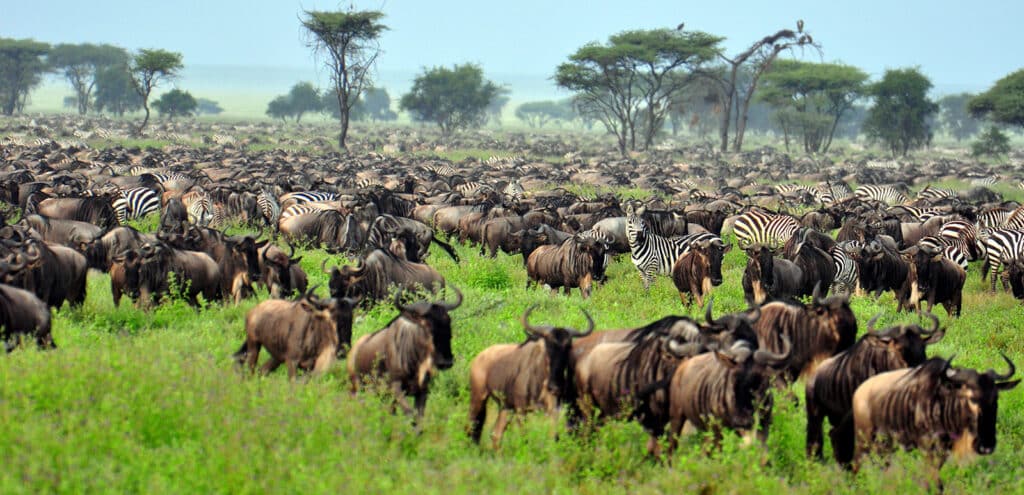
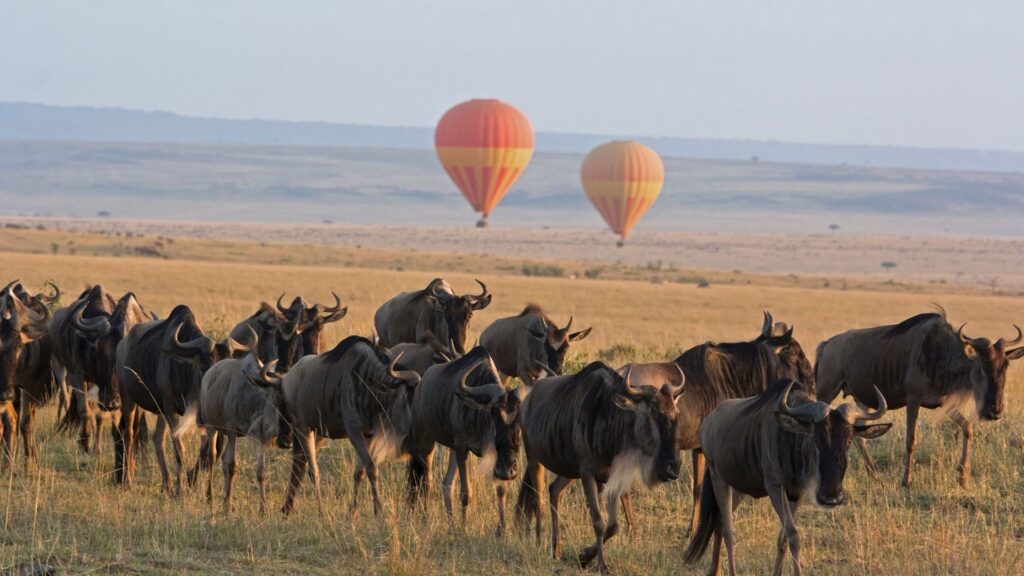
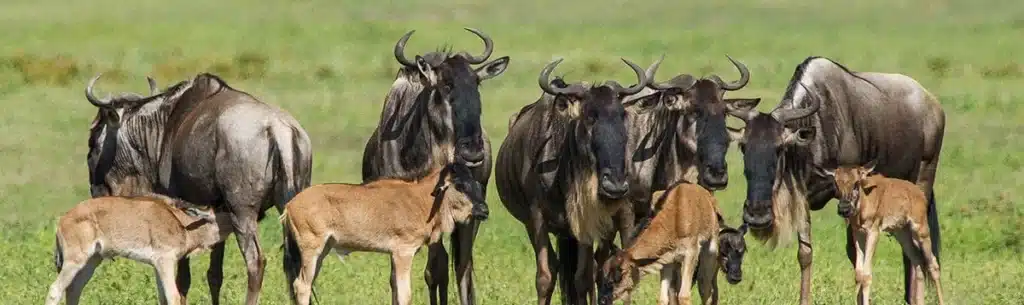
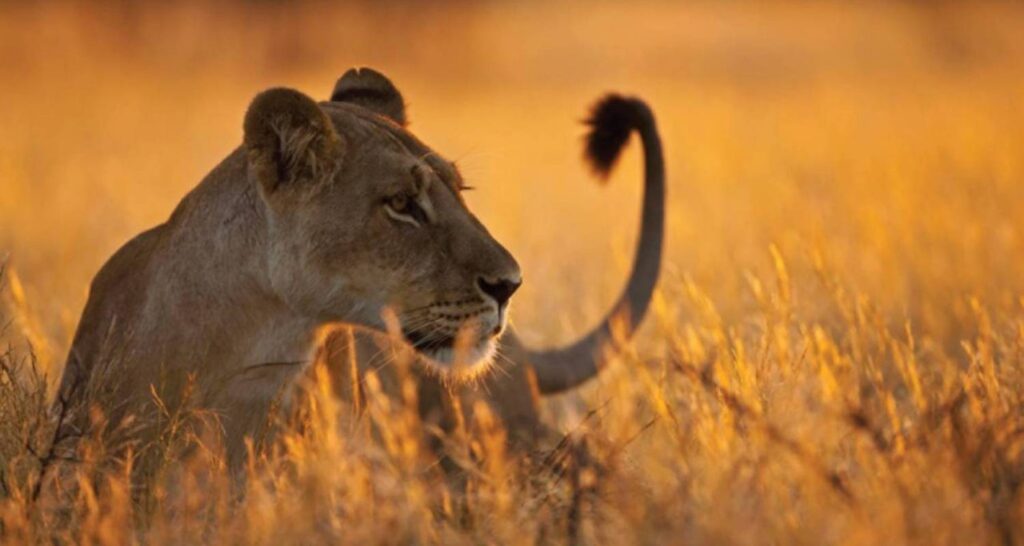
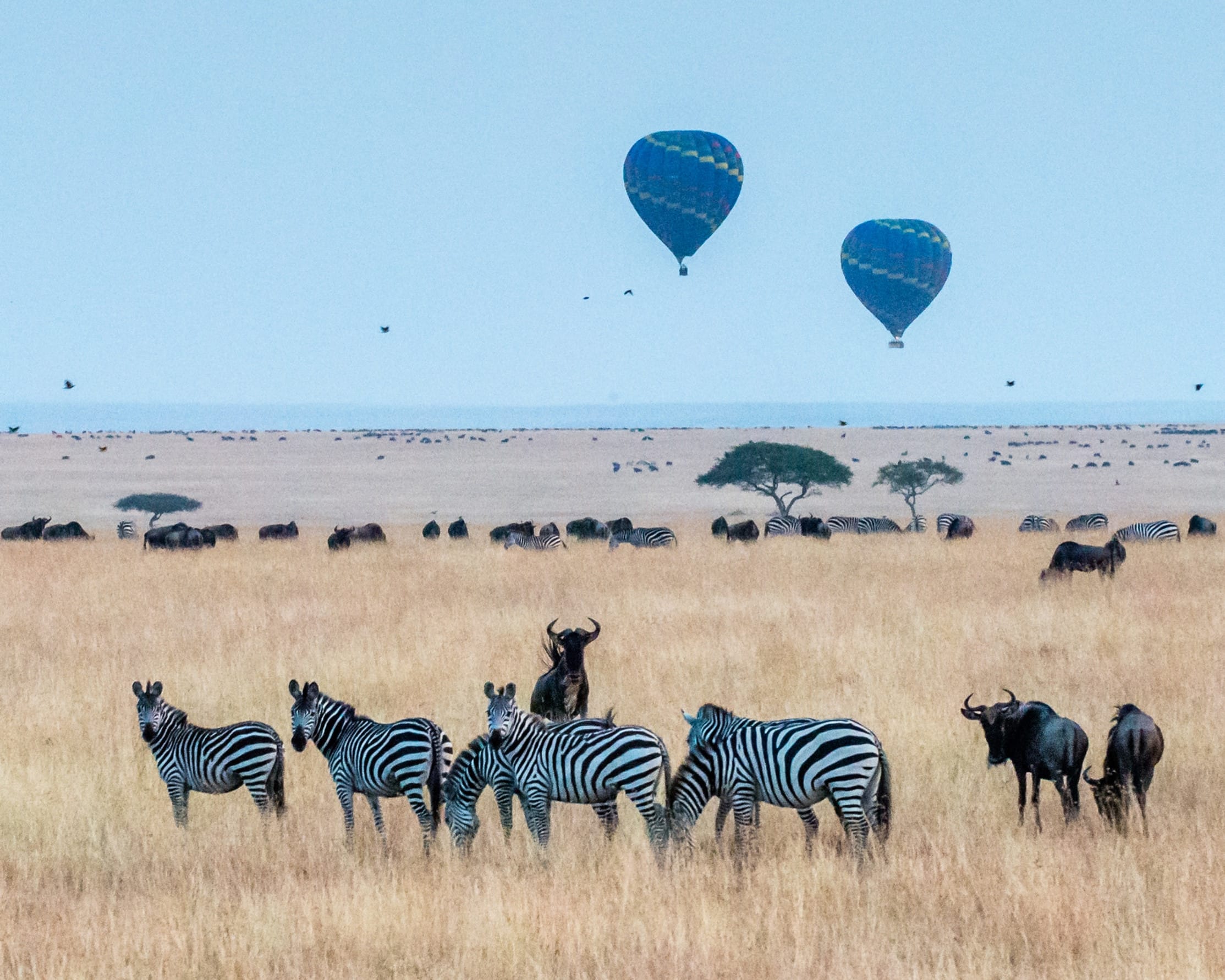
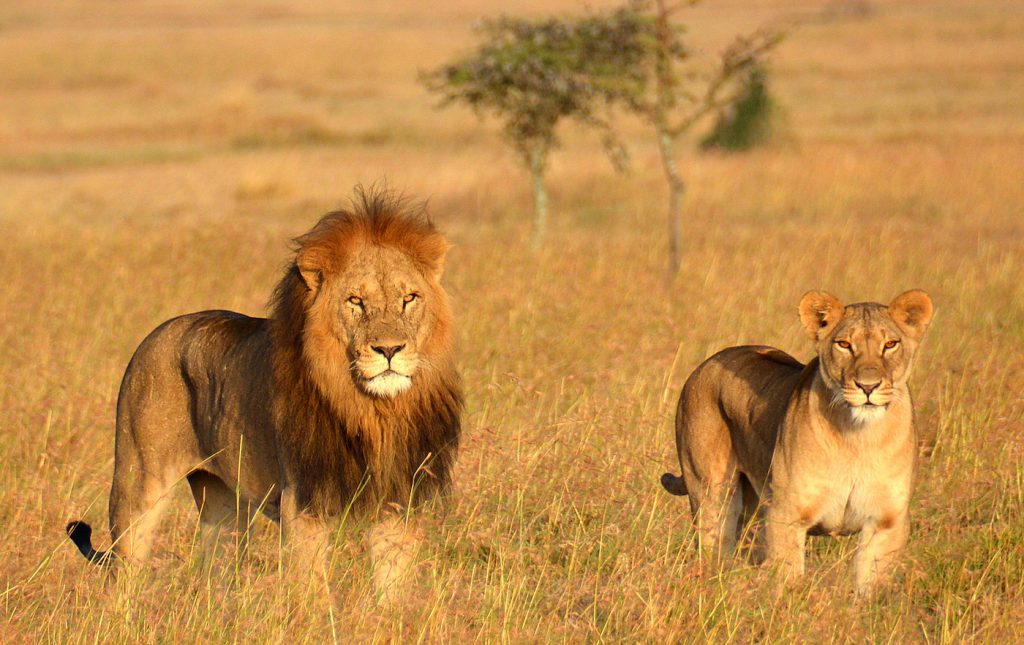
Serengeti National Park is one of Tanzania’s best-known safari destinations. Its vast grasslands support large populations of predators and grazing animals throughout the year. The park is also central to the Great Migration, during which immense herds of wildebeest and zebra move through the Serengeti ecosystem in search of water and fresh grazing. The ideal part of the Serengeti depends on the month of travel, so a well-planned itinerary should consider seasonal wildlife movement.
Ngorongoro Crater Safaris
The Ngorongoro Crater offers concentrated wildlife viewing within a dramatic volcanic landscape. Descending to the crater floor gives travelers the opportunity to see a wide range of animals in a relatively compact area. It is commonly paired with the Serengeti and Tarangire as part of a Northern Circuit Tanzania safari.
Tarangire and Lake Manyara Safaris
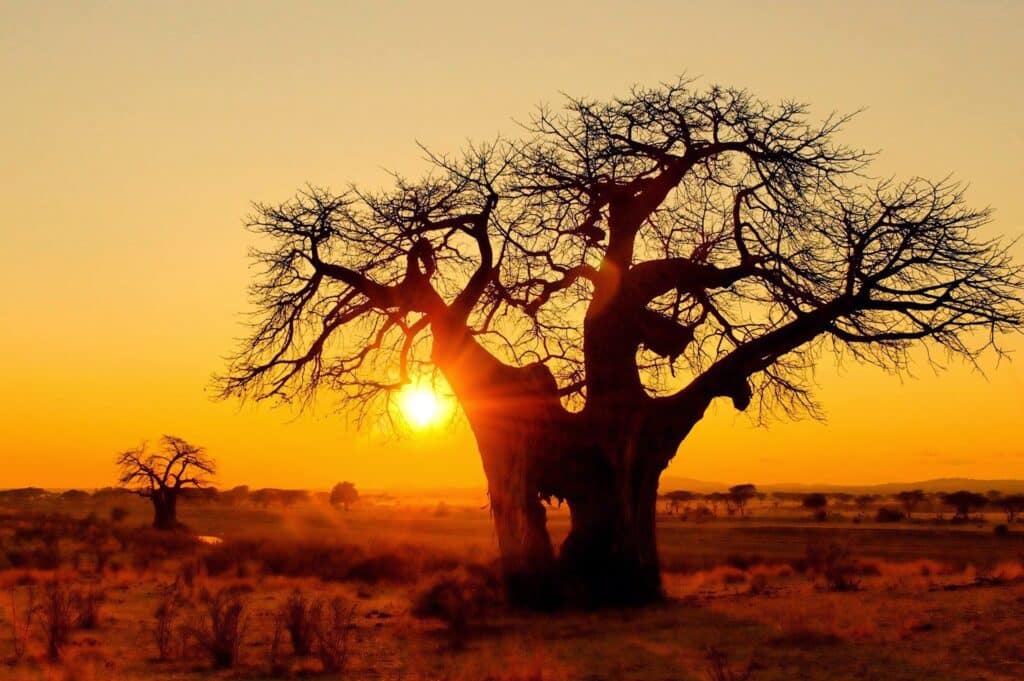
Tarangire National Park is known for its baobab-dotted scenery, elephant populations, and seasonal concentration of wildlife along the Tarangire River. Nearby Lake Manyara adds forest, wetland, and Rift Valley scenery to a northern Tanzania safari. These parks provide a valuable contrast to the open plains of the Serengeti.
The Great Migration
Many travelers choose Tanzania safaris specifically to experience the Great Migration. The herds move continuously, so the best destination depends on the season and recent conditions. Calving, river crossings, predator activity, and general herd movement occur in different areas and at different times. Because nature does not follow a fixed schedule, itineraries should be based on likely wildlife locations rather than guaranteed sightings.
Private, Family, and Honeymoon Safaris
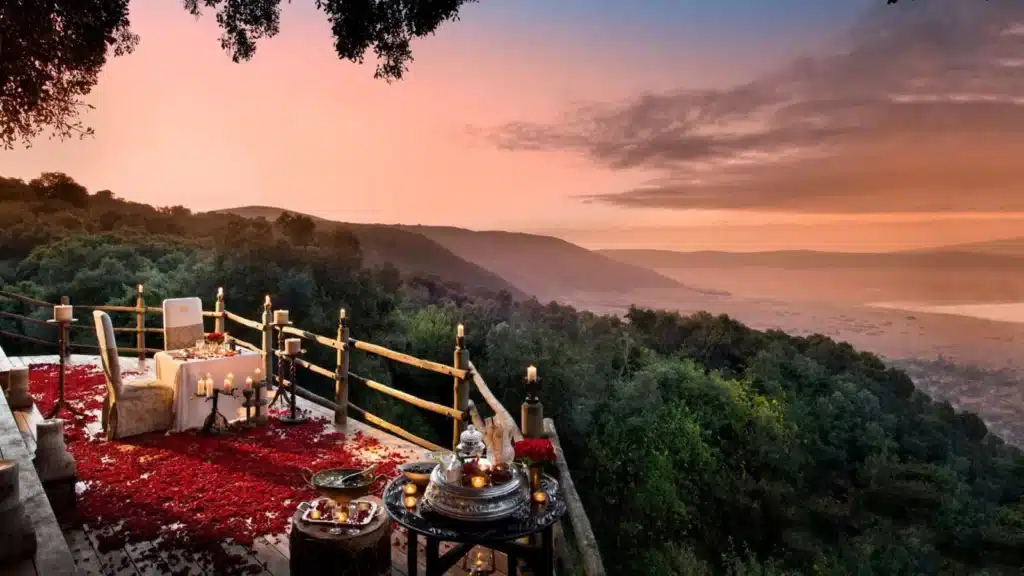
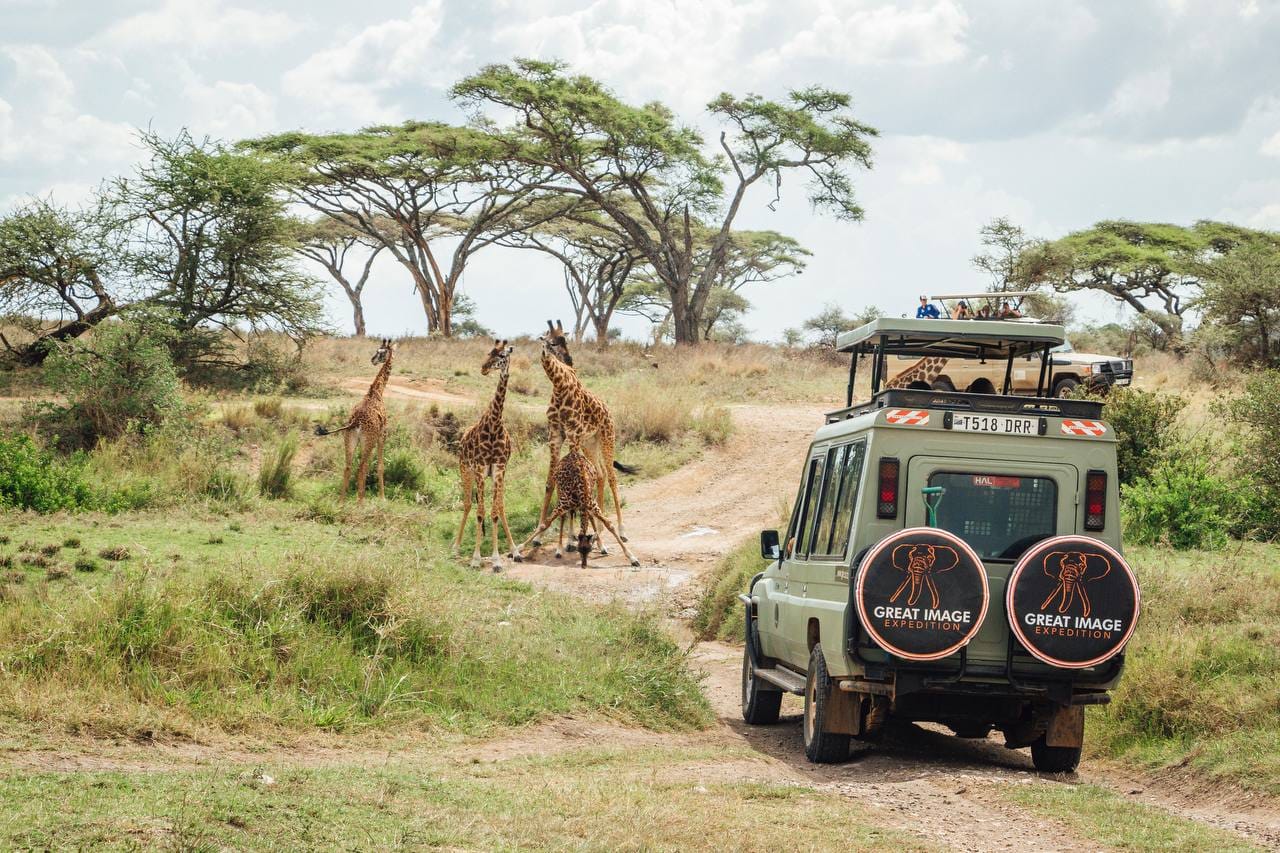
Private Tanzania safaris allow the itinerary and daily schedule to be adapted to the travelers in the vehicle. Families may prefer shorter drives, flexible meal times, and lodges that welcome children. Couples and honeymooners may prioritize intimate camps, scenic locations, private dining, and a relaxed pace. Photographers often benefit from longer game drives and additional time at wildlife sightings.
When to Go on a Tanzania Safari
Tanzania offers safari opportunities throughout the year, but conditions vary by region and season. Drier periods generally make animals easier to locate near dependable water sources, while greener months can provide lush scenery, newborn wildlife, dramatic skies, and fewer visitors in some areas. The best time to travel depends on the parks, wildlife events, and overall experience you want.
How Long Should a Tanzania Safari Be?
The appropriate trip length depends on the number of parks included and the travel time between them. A shorter itinerary can focus on a small part of the Northern Circuit, while a longer safari provides more time in the Serengeti or allows travelers to combine multiple regions. Avoid adding too many destinations to a short trip, as excessive transfers can reduce game-viewing time.
Safari Accommodation
Accommodation options range from comfortable lodges and tented camps to more exclusive properties in remote locations. The right choice depends on budget, preferred amenities, location, and the amount of time you want to spend inside the parks. Staying closer to key wildlife areas can reduce daily driving and create a more immersive safari experience.
Combining a Safari With Kilimanjaro or Zanzibar
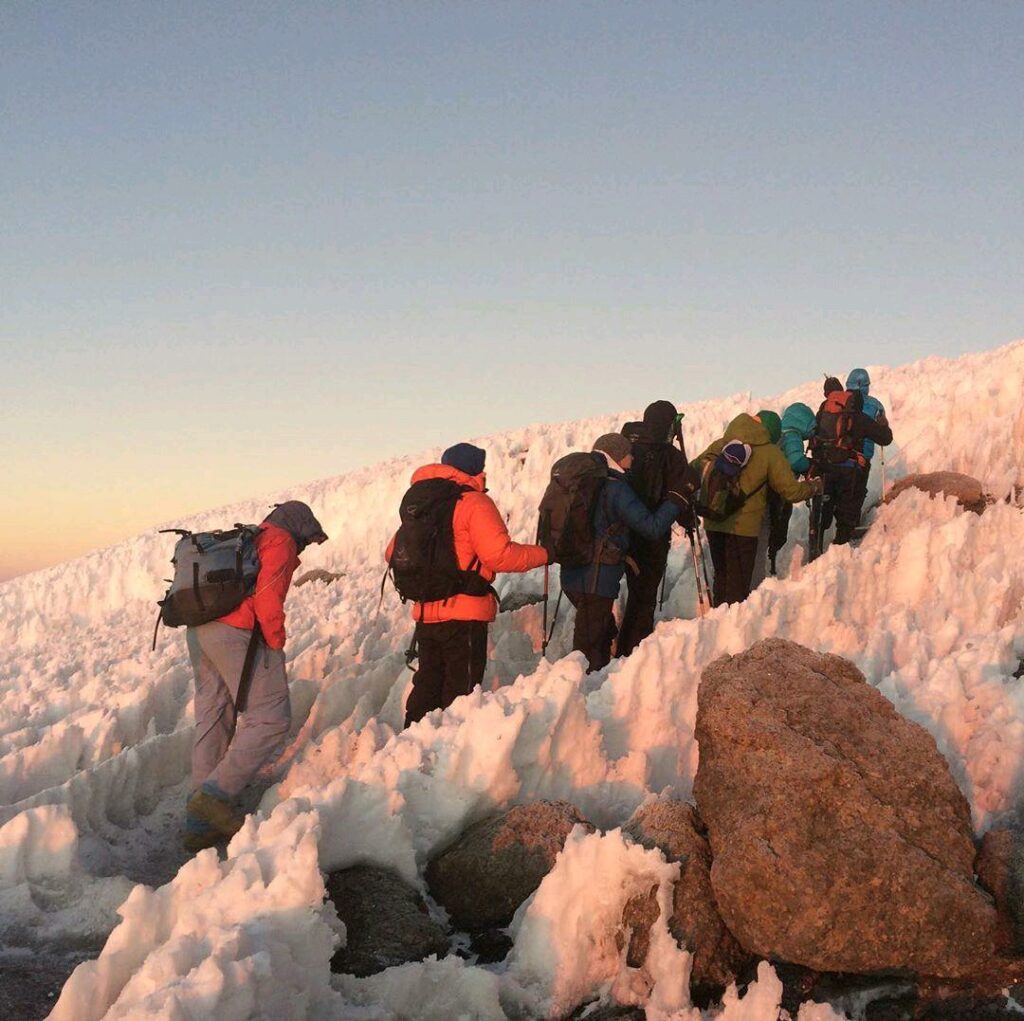
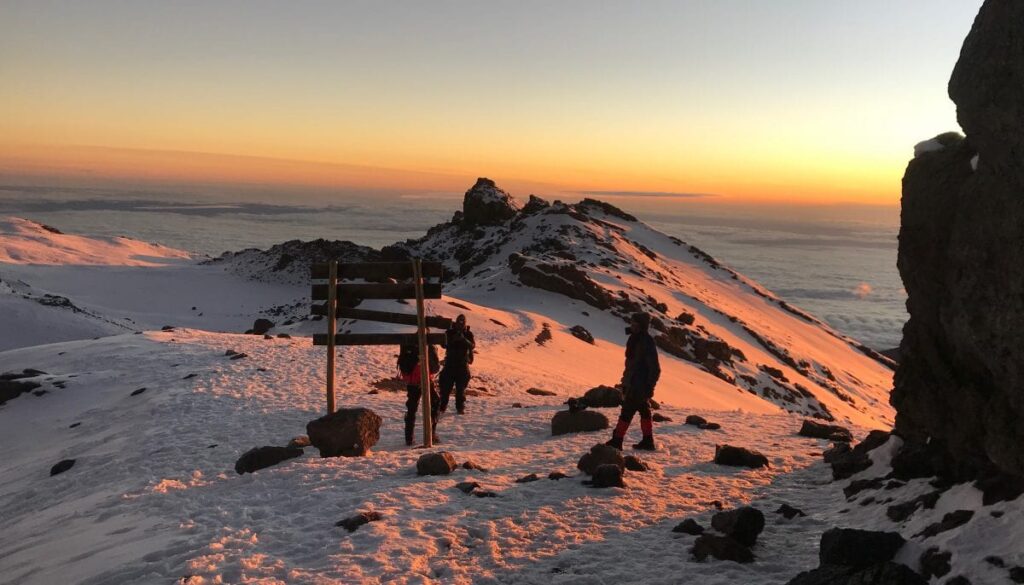
A Tanzania safari can be combined with a Mount Kilimanjaro climb or a beach stay in Zanzibar. Kilimanjaro adds a physically demanding mountain experience, while Zanzibar offers time to rest after game drives and explore the coast and Stone Town. These extensions should be planned around flight schedules, transfer times, and the overall length of the trip.
Choosing a Tanzania Safari Operator
Choose a safari operator that communicates clearly about the proposed route, included services, accommodations, vehicles, guide arrangements, and payment terms. The itinerary should explain how much time is allocated to each park and how travelers will move between destinations. Reviews and direct communication can also help you understand the operator’s service standards and responsiveness.
Packing for Tanzania Safaris
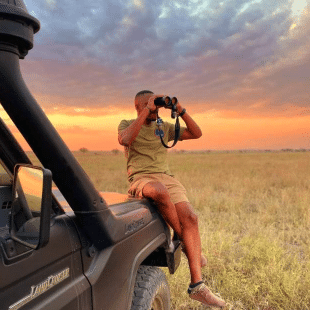
Pack lightweight, comfortable clothing in neutral colors, along with sun protection, closed footwear, and layers for cool mornings and evenings. Binoculars and a suitable camera can improve wildlife viewing, while soft-sided luggage may be required for certain internal flights. Travelers should also carry necessary documents, medications, and appropriate travel insurance.
Responsible Safari Travel
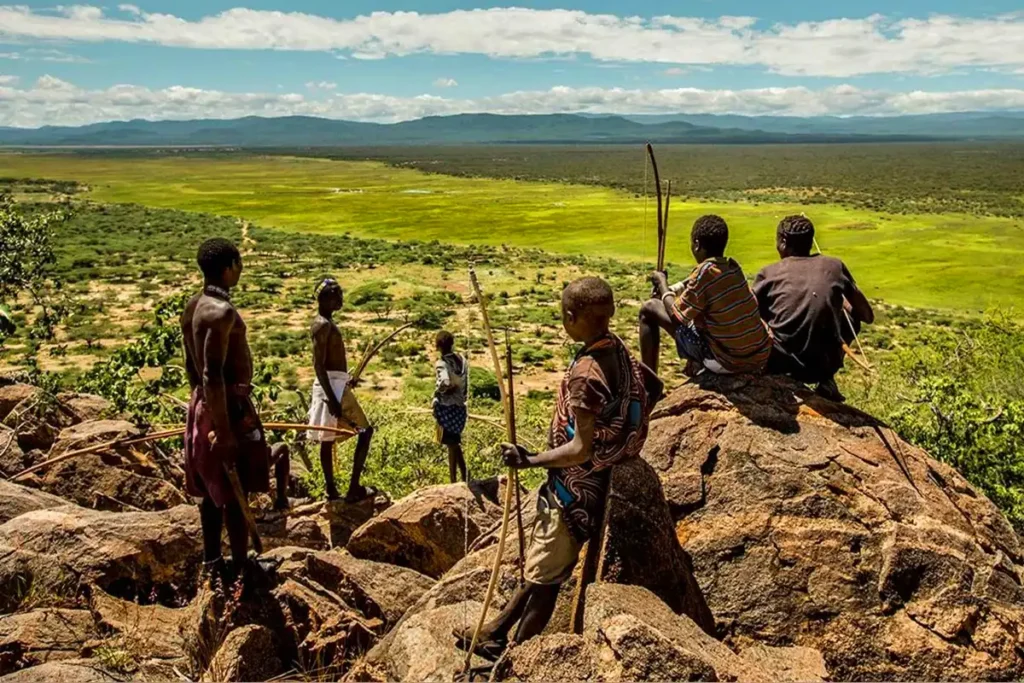
Responsible Tanzania safaris respect wildlife, local communities, and protected areas. Follow guide instructions, avoid pressuring animals for photographs, remain within designated areas, and reduce unnecessary waste. Travelers can also ask operators how their trips support local employment, conservation, and community initiatives.